
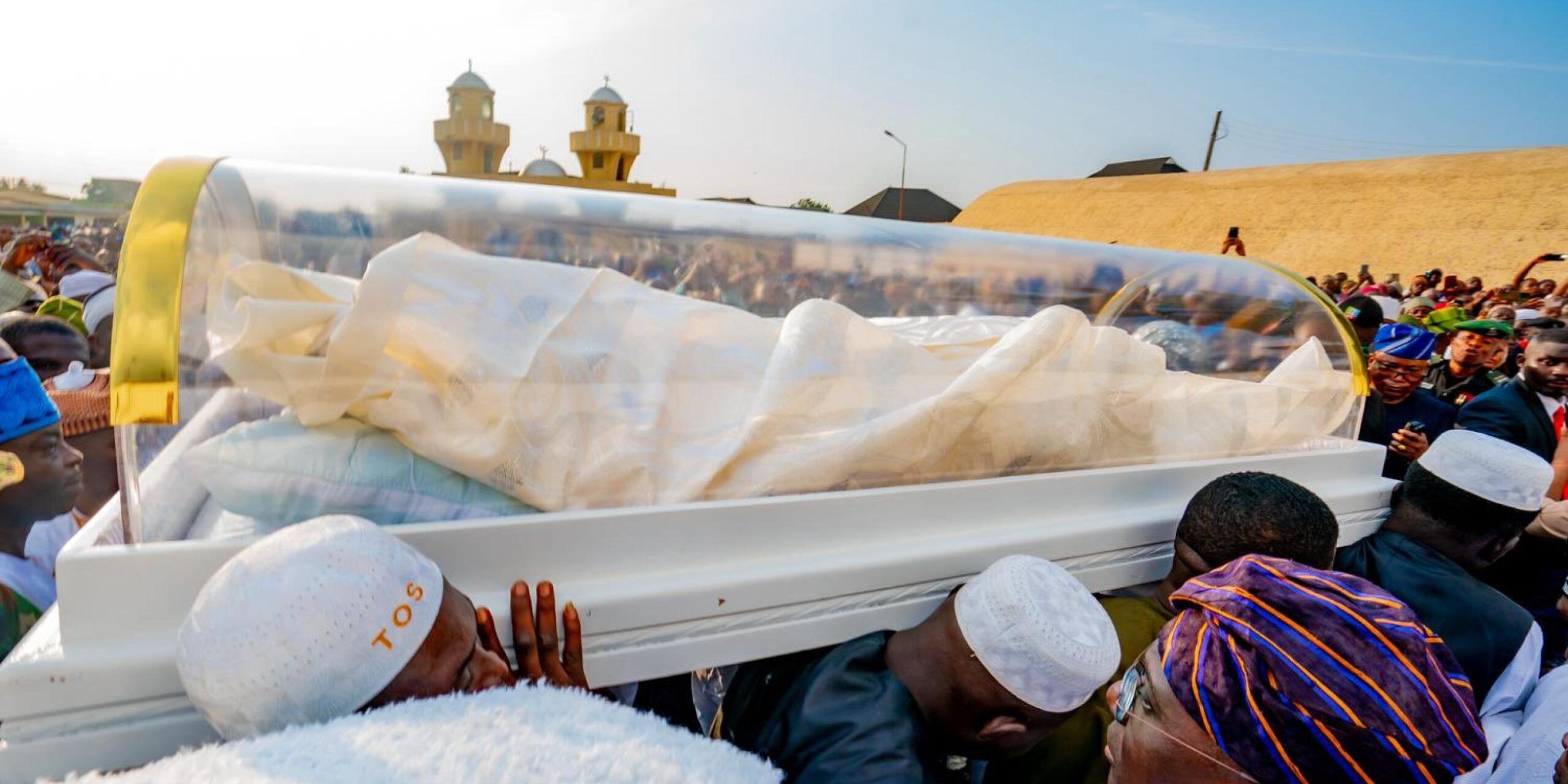
Awujale’s Burial Sparks Debate Over Erasure of Yoruba Traditions
The recent burial of Oba Sikiru Kayode Adetona, the revered Awujale of Ijebu, at age 91, has ignited a profound debate across Yoruba land and beyond not over his legacy, but over how he was buried.
According to reports, traditional custodians were barred from performing the sacred rites customary to a Yoruba monarch. Instead, the late king was laid to rest strictly following Islamic practices. For many cultural observers, this was more than a religious choice it was a silent burial of Yoruba identity, heritage, and spiritual order.
In Yoruba tradition, an Oba is not just a ruler; he is a spiritually consecrated figure a link between the living and the ancestors. His installation involves sacred rituals and alignment with ancestral forces. Upon death, the transition rites conducted by traditional institutions such as the Ogboni or Oro are essential to preserve cosmic balance and honor centuries-old traditions.
Denying these rites, many argue, disrupts the sacred rhythm of Yoruba cosmology.
The situation reflects a deeper, ongoing crisis: the growing abandonment of African spiritual systems in favor of imported religions. Islam and Christianity, propelled by colonial legacies, often paint indigenous practices as “fetish” or “backward,” leading to their neglect even at the highest levels of leadership.
Yet paradoxically, many Africans still turn to traditional rites at life’s pivotal moments birth, marriage, death revealing a spiritual conflict that remains unresolved.
