
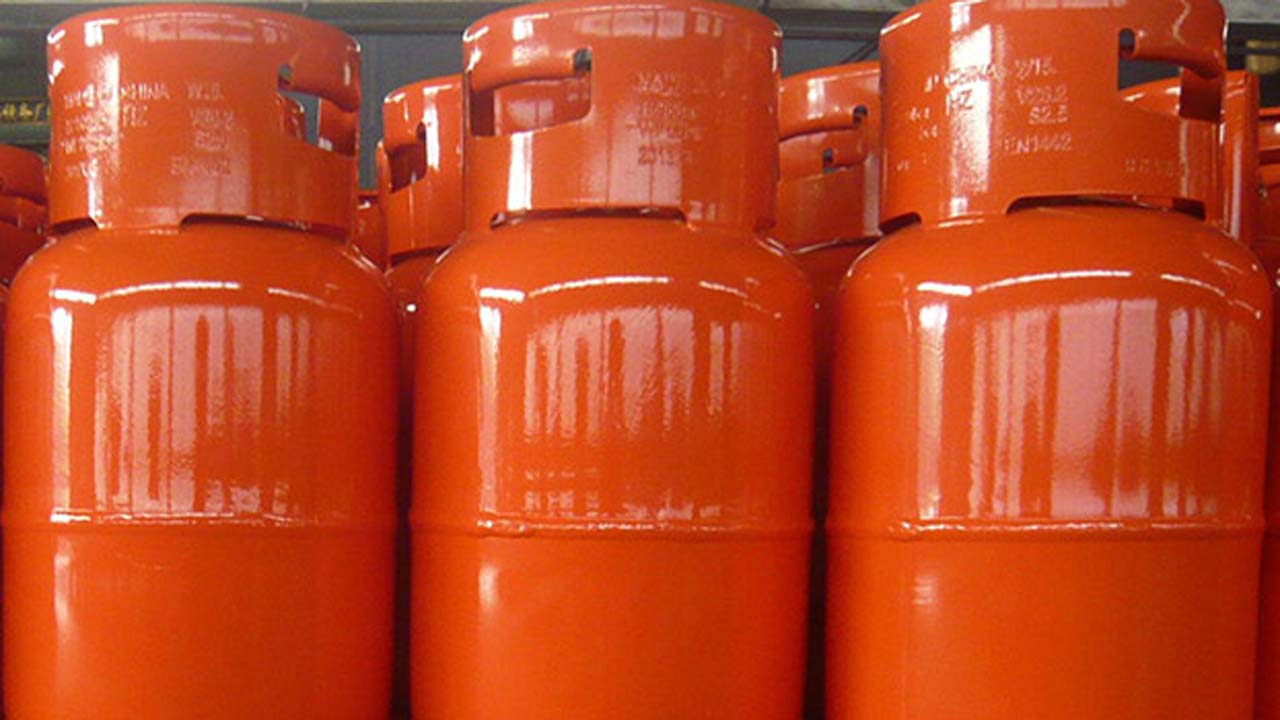
Cooking Gas Prices Skyrocket Across Nigeria as Marketers Give Reasons
The price of Liquefied Petroleum Gas (LPG), popularly known as cooking gas, has continued to soar across major Nigerian cities, causing frustration among households and small businesses.
In Lagos, Abuja, Port Harcourt, and other parts of the country, the price has jumped from around ₦1,000 to between ₦1,500 and ₦2,000 per kilogram. Many Nigerians say the constant increase has made daily living more difficult, especially for food vendors and low-income earners.
“I use gas every day for cooking, and the price just keeps rising,” said Modinat Lanre, a food vendor in Lagos. “It dropped briefly to ₦1,100 but now it’s back up again.”
The Major Energy Marketers Association of Nigeria (MEMAN) attributed the recent spike to persistent supply disruptions caused by industrial disputes involving the Petroleum and Natural Gas Senior Staff Association of Nigeria (PENGASSAN) and the Dangote Refinery. MEMAN’s Executive Secretary, Clement Isong, explained that these challenges created instability in the supply chain, though efforts are being made to restore normalcy.
According to him, the government’s Decade of Gas initiative aims to boost local production, reduce import dependence, and strengthen infrastructure to stabilize the market in the long term.
In response to the price surge, the Minister of State for Petroleum Resources (Gas), Ekperikpe Ekpo, directed the Nigerian Midstream and Downstream Petroleum Regulatory Authority (NMDPRA) to increase monitoring of LPG depots to prevent hoarding. Ekpo confirmed that operations at the Dangote Refinery and the Nigeria LNG Train 4 facility have resumed, with loading and supply gradually returning to normal.
Some importers, however, complained about heavy financial losses resulting from unstable prices and foreign exchange fluctuations. “We still have old stock bought at higher prices,” said Kingsley Paul, a retailer in Abuja. “We can’t sell below cost until new supplies come in.”
The situation has been worsened by festive season demand, as many Nigerians prepare for end-of-year activities such as weddings and parties. Reports suggest that most companies have exhausted their gas allocations for the year, while importers are reluctant to restock due to unstable market conditions.
