
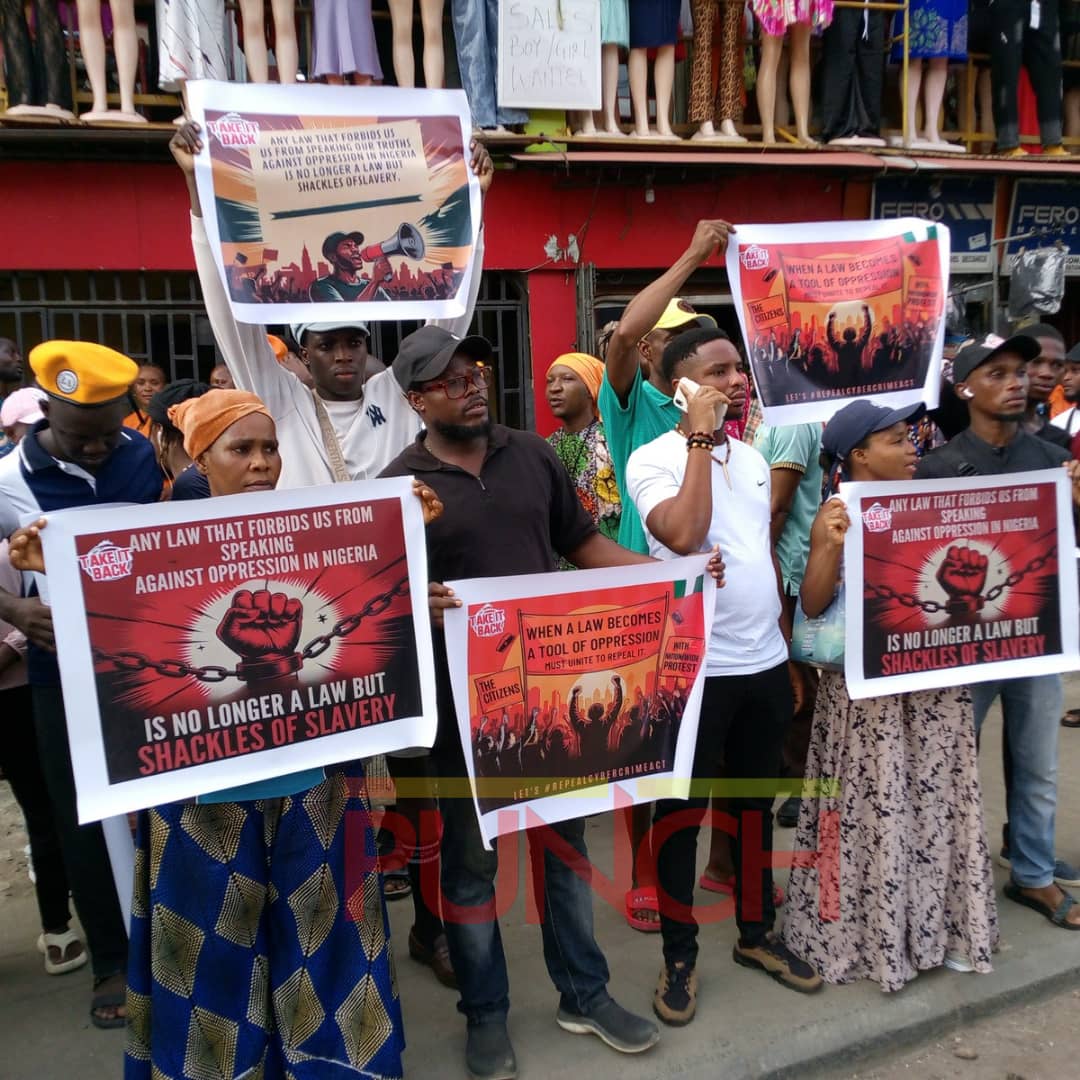
Deadly Clashes as Nigerians Protest Economic Hardship and Rising Cost of Living
Ongoing protests across Nigeria have intensified over the spiraling economic hardship and soaring cost of living leading to violent clashes between demonstrators and security forces.
At least 13 protesters have reportedly been killed, and over 300 arrested amid unrest spanning several northern states and the capital, Abuja.
The demonstrations, which began as peaceful calls for the reinstatement of fuel and electricity subsidies, have escalated following government reforms that removed these subsidies, triggering sharp increases in food and fuel prices.
Protesters demand urgent government action on widespread food scarcity, corruption, and stagnant wages amid Nigeria’s worst cost-of-living crisis in decades.
Security forces have deployed tear gas and, in some cases, fired live ammunition to disperse crowds. Amnesty International and human rights groups have condemned the use of lethal force, citing verified accounts of fatalities in Niger, Kaduna, and Borno states.
Police and military personnel were placed on high alert, and curfews have been imposed in five northern states following incidents of looting of government and public properties.
In Abuja, police repeatedly fired tear gas at protesters despite a court order limiting demonstrations to a stadium. Similar tactics were used in Kano, Bauchi, and conflict-wracked northeastern regions. A police officer was also reported killed during the unrest, with several officers injured.
The protests garnered momentum through social media and represent widespread frustration with President Bola Tinubu’s administration which pledged economic renewal but has struggled to alleviate poverty and unemployment fourteen months into office.
Critics highlight the contrast between high salaries for public officials and the pervasive poverty affecting millions in Africa’s most populous nation.
After several days of escalating tension, protests have somewhat diminished in scale, reportedly due to the harsh police crackdown, yet many Nigerians remain determined to press for change.
This ongoing crisis reflects the increasing strain economic hardship places on Nigeria’s social and political stability as authorities wrestle with balancing harsh reforms against popular discontent and the risks of violent escalation.
