
Defections and New Coalitions Redraw Nigeria’s Political Map Ahead of 2027 Elections
Nigeria’s political scene is undergoing dramatic shifts as a surge of defections and intense coalition-building redefine the contest for power ahead of the 2027 general elections.
The continued exodus of lawmakers and influential politicians from opposition parties to the ruling All Progressives Congress (APC) has stirred debate over the country’s democratic direction and set the stage for what analysts expect to be one of the most contentious elections in recent memory.
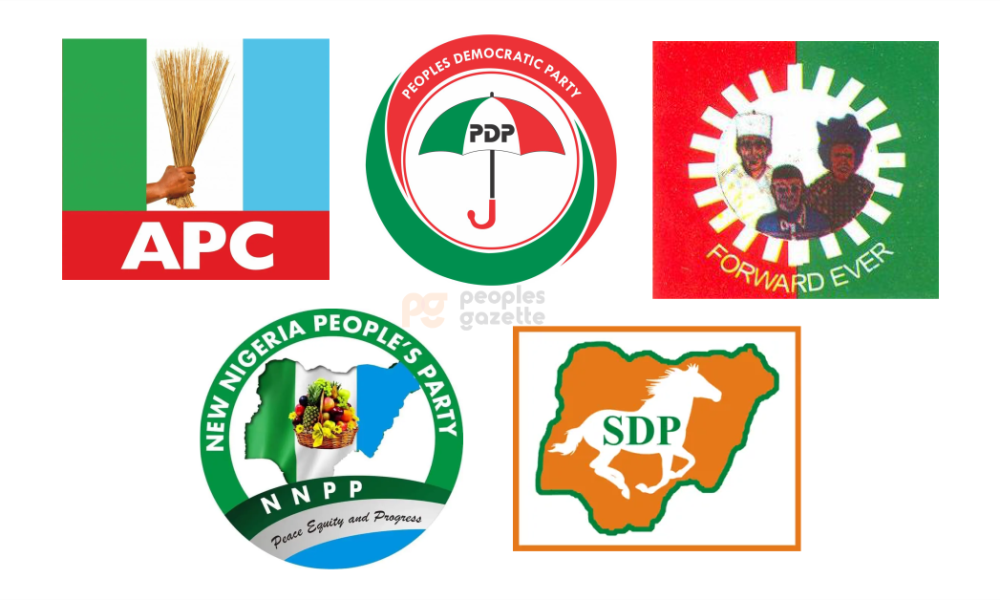
In recent months, the ruling APC has welcomed dozens of prominent defectors from major opposition parties, including the Peoples Democratic Party (PDP), Labour Party (LP) and New Nigeria Peoples Party (NNPP). This political migration has shifted legislative and local power balances:
Amid this wave of defections, opposition parties have struggled with infighting, leadership disputes and legal battles that have weakened their ability to present a credible challenge.
Observers warn that the surge in defections risks creating a de facto one-party system, fueling concerns about reduced democratic choices, weakened accountability and heightened political tensions.
A wave of politicians switching from opposition to the ruling APC has sparked panic… people are asking: Is Nigeria’s democracy in danger? Could we end up with a one-party state where the APC calls every shot?
With both federal and state legislatures increasingly dominated by the APC and so many opposition heavyweights now in the ruling fold many fear that Nigeria’s celebrated multi-party democracy could be under threat unless the opposition alliance solidifies and reclaims ground before the primaries and general polls
