
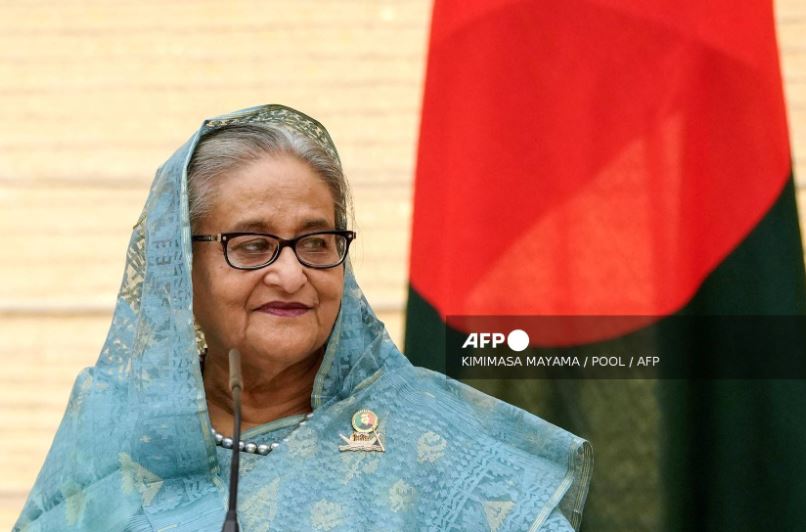
Ex-Bangladesh Prime Minister Hasina Tried for 2024 Protest Crackdown
A special court in Bangladesh has formally commenced the trial of former Prime Minister Sheikh Hasina and two of her former aides on charges related to crimes against humanity.
The charges stem from their alleged roles in the violent crackdown on a mass uprising that led to the collapse of Hasina’s administration in August 2024. The uprising began as student-led protests against the country’s public job quota system and quickly escalated into a nationwide movement.
According to Chief Prosecutor Tajul Islam, the International Crimes Tribunal, composed of a three-judge panel, initiated the trial on Thursday. The proceedings will continue with statements from the prosecution scheduled for August 3 and 4.
The defendants include former Home Minister Asaduzzaman Khan and former Inspector General of Police Chowdhury Abdullah Al-Mamun. Of the three, only Mamun is currently in custody and has reportedly pleaded guilty. He has petitioned to become a state witness. The tribunal will proceed in absentia for Hasina and Khan, both of whom are not currently in Bangladesh.
The prosecution has leveled five charges against the accused, including:
- Incitement and provocation
- Issuing lethal directives
- Command responsibility
- Participation in a joint criminal enterprise
Tajul Islam revealed that evidence includes audio recordings allegedly capturing Hasina instructing security forces to use deadly force against protestors. Witness testimonies and additional materials have also been submitted to support the case.
The United Nations has cited the 2024 protests as one of the deadliest in the region’s history, with its fact-finding mission estimating over 1,400 fatalities during the government crackdown.
Hasina, who fled to India following her ouster, is now the subject of multiple legal proceedings tied to her handling of the protests.
“The crimes committed during the 2024 demonstrations were both widespread and systematic, meeting the legal threshold for crimes against humanity,” Islam stated.
The trial represents a pivotal moment in Bangladesh’s legal and political history as it seeks accountability for the state’s response to civil unrest.
