
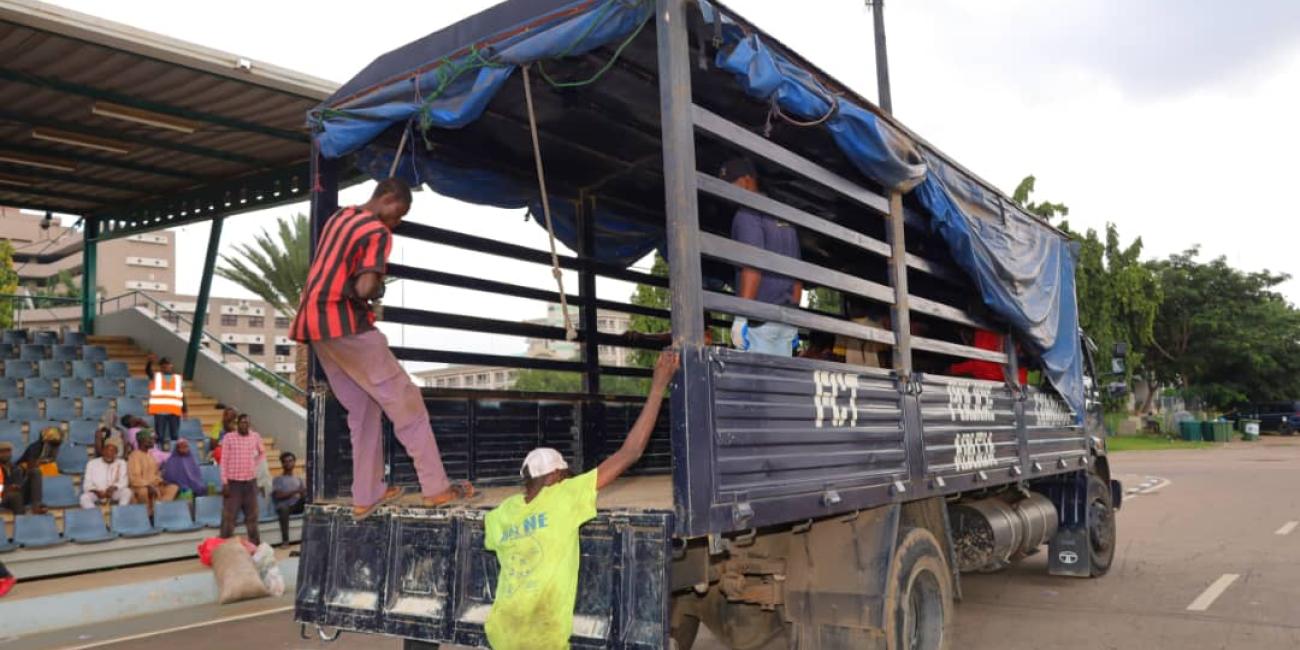
FCTA Uncovers Shocking Trend: Families Now Renting Out Children to Beggars in Abuja
The Federal Capital Territory Administration (FCTA) has raised an alarm over a disturbing new trend in Abuja families are reportedly renting out their children to beggars as part of an emerging network of organized street begging.
As part of ongoing efforts to sanitize Nigeria’s capital through Operation SWEEP Abuja Clean, the FCTA has discovered that begging has evolved into a structured and exploitative business, posing serious threats to the city’s security and social fabric.
Speaking on Thursday, Gloria Onwuka, Acting Director of Social Welfare at the Social Development Secretariat, revealed that young children some as young as eight are being trafficked into Abuja and rented out by families to participate in begging syndicates.
“Begging has become a business in the FCT. Families are now renting out their children to street beggars,” Onwuka stated.
She added that the children often arrive in the capital hidden in trailers transporting goods from the northern regions of the country, further complicating efforts to tackle human trafficking and child exploitation.
According to statistics released by the FCTA, a total of 210 beggars were recently apprehended during enforcement operations 80 men, 58 women, and 72 children.
Onwuka explained that those arrested are taken to the FCT Vocational and Rehabilitation Centre in Bwari, where they are housed, profiled, and prepared for repatriation to their states of origin. She noted that the facility is well-equipped to provide basic necessities during their stay.
Highlighting the seriousness of the situation, Onwuka said that FCT Minister Nyesom Wike has given a direct order to rid the city of street beggars and criminal elements to restore public order and protect law-abiding residents.
Also commenting on the development, Adamu Gwary, Director of Security Services at the FCTA, said the operation was launched not just to curb begging but to combat wider criminal activity that fuels fear and insecurity in the capital.
