
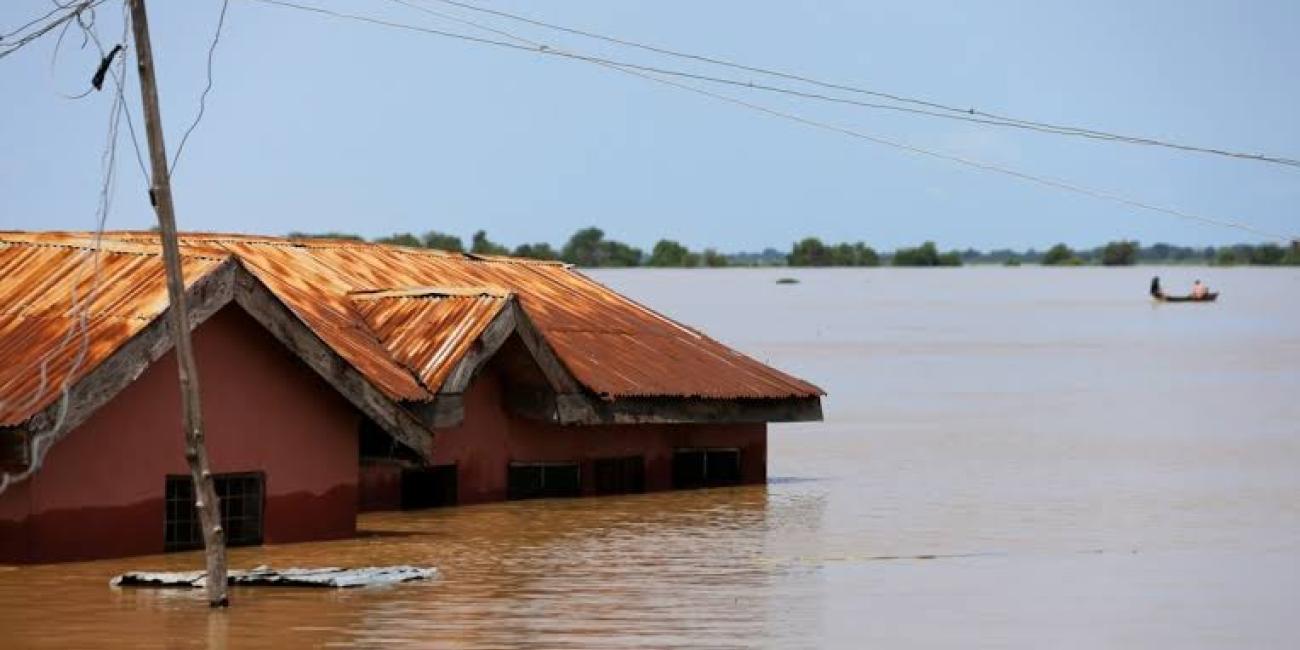
Floods Devastate Plateau, Bauchi, Niger: Homes, Schools, and Farmlands Destroyed
Torrential rains over the weekend have unleashed severe flooding across parts of Nigeria, with Plateau, Bauchi, and Niger states among the worst affected.
The floods have destroyed homes, submerged farmlands, and displaced hundreds of residents, prompting urgent appeals for government intervention.
In Plateau State, the Menkaat community in Shimankar District of Shendam Local Government Area was one of the hardest hit. Over 50 houses, including two primary schools and a place of worship, were reduced to rubble by the early morning downpour.
The storm, accompanied by violent wind gusts, also uprooted trees, knocked down electric poles, and left many buildings without roofs. “Many residential buildings have collapsed. The intensity of the rainfall also destroyed farms. People have lost a lot,” said Daniel Danjuma, councillor for the Shimankar ward.
In Bauchi State’s Dass Local Government Area, the storm displaced over 40 households and destroyed large portions of farmland. According to Adamu Nayola, Director of Relief and Rehabilitation at the Bauchi State Emergency Management Agency (SEMA), there were no fatalities, but many victims, particularly women and children, are now in urgent need of humanitarian assistance.
He attributed the flooding to a poorly constructed culvert that failed to manage the heavy volume of water. Nayola also confirmed that SEMA had begun assessments for distributing relief materials.
Flooding was also reported in Niger State, where farmlands in Kafin Koro (Paikoro LGA) were submerged. In Lapai Local Government Area, at least 18 communities including Dere, Apataku, Eshi, Tsakanabi, and Kuchi Kakanda suffered varying degrees of damage. The state government has issued an urgent advisory calling on residents of riverine areas to move to higher ground.
Jonathan Vatsa, Special Adviser on Communication, Media and Strategy to the governor, emphasized the seriousness of the situation, warning residents to act swiftly to prevent another disaster like the June flood in Mokwa, which claimed over 200 lives.
“We understand the strong connection people have to their ancestral lands, but given the current flood alerts and the realities we are witnessing, it is crucial that they heed this warning,” he said.
Vatsa also reminded the public that the Nigerian Meteorological Agency (NiMet) had earlier listed 15 out of Niger State’s 25 local government areas as highly flood-prone during the 2025 rainy season. Similarly, the Federal Ministry of Environment has issued a red alert for 11 states based on projections from the National Flood Early Warning Centre.
This latest devastation adds to a growing list of climate-related disasters in Nigeria. Between March and July 2025, over 250 people have died and thousands have been displaced due to floods, windstorms, and torrential rains in states including Sokoto, Kaduna, Taraba, Ekiti, Ogun, and Imo. On June 11, the most deadly flood event this year struck Mokwa in Niger State, killing more than 200 people and leaving dozens missing.
Just last week, intense rainfall led to serious flooding in Maiduguri, Borno State, displacing hundreds and damaging at least eight buildings in communities such as Bulunkutu and Jiddari Polo. In Adamawa State, a late July flood killed five people and injured more than 50 across Yola North and Yola South.
Experts and government officials continue to warn that Nigeria could face more severe flooding in the weeks ahead as the rainy season peaks. During the unveiling of the 2025 Annual Flood Outlook in April, the Minister of Water Resources and Sanitation, Prof. Joseph Utsev, identified dozens of high-risk states, including Bauchi, Plateau, Niger, and the Federal Capital Territory (FCT).
Authorities at both state and federal levels are urging citizens to stay alert, follow safety advisories, and cooperate with emergency response teams to mitigate further disaster.
