
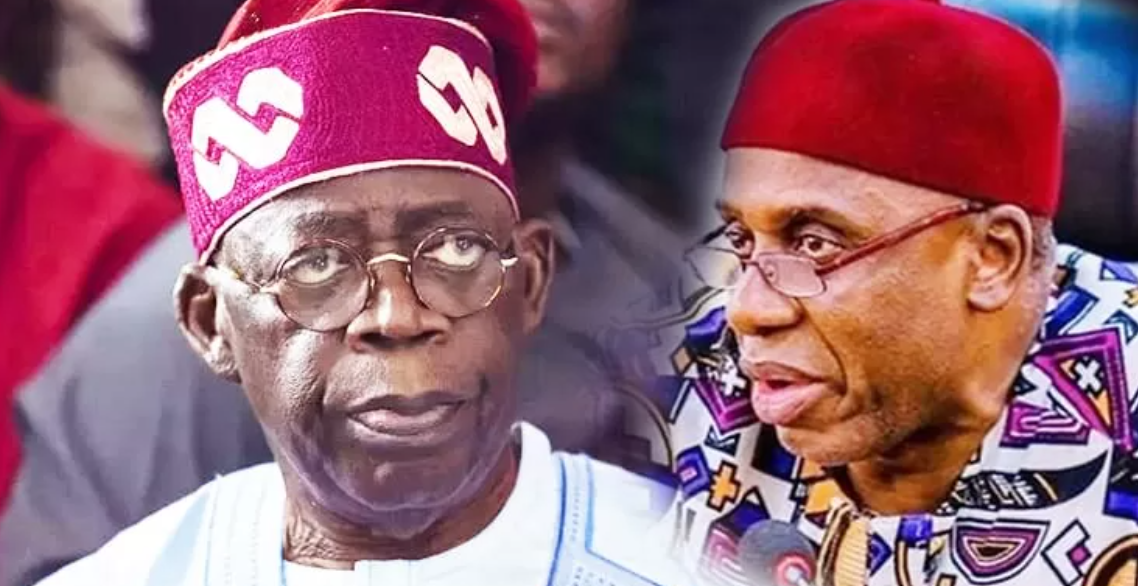
Former Minister Amaechi Questions President Tinubu’s 2027 Reelection Prospects Amid Tax Burden Concerns
Former Minister of Transportation, Rotimi Chibuike Amaechi, expressed skepticism over President Bola Tinubu’s prospects of securing a second presidential term in the 2027 elections attributing his views to the current economic hardships faced by Nigerians, particularly the impact of heavy taxation.
Amaechi, a prominent political figure and former close ally within the ruling All Progressives Congress (APC) voiced his concerns during a recent interview, highlighting how the current tax regime and economic pressures have adversely affected the Nigerian populace. He suggested that widespread public dissatisfaction could significantly diminish President Tinubu’s chances of reelection.
The former minister referenced the heavy tax burden that many Nigerians continue to bear impacting household incomes and living standards. The taxation policies have been cited by various stakeholders as a source of growing frustration among citizens already grappling with inflation and cost of living increases.
Amaechi’s remarks add to ongoing debates within Nigerian political circles about the sustainability of the current administration’s policies and political capital. His comments also come at a time when discussions about potential presidential candidates for 2027 are intensifying.
Political analysts note that public sentiment on economic management will be a critical factor influencing future electoral outcomes, with tax policy being a potentially decisive issue.
President Tinubu who took office in 2023, has faced mounting pressure to deliver on economic reforms and ease the financial strain on Nigerians. The government has recently enacted several fiscal measures but critics argue these have not sufficiently alleviated the economic hardships.
As the 2027 elections approach, the APC and President Tinubu’s administration will need to address these economic concerns to consolidate support. Amaechi’s statement serves as a reminder of the political risks tied to public perception of governance and economic wellbeing.
