
Global Coalition Urges Nigerian Government to Allocate Parliamentary Seats to Diaspora Citizens
The Global Coalition for Security and Democracy in Nigeria (GCSDN) has criticized the Nigerian government for excluding Nigerians in the diaspora from recently proposed reserved seats in the National Assembly, calling it a major oversight in the country’s efforts toward inclusive governance.
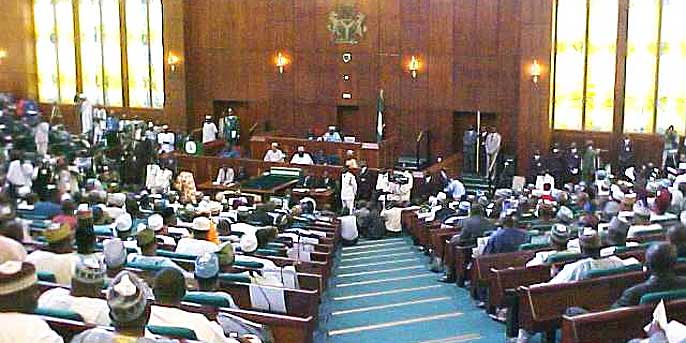
This comes after the House of Representatives announced a proposal to reserve 82 legislative seats 55 in the House and 27 in the Senate for women and persons with disabilities as part of ongoing constitutional amendments.
Speaker Tajudeen Abbas made the announcement during the 2nd Legislative Open Week in Abuja, saying the move was designed to tackle gender imbalance and improve political representation for marginalized groups.
While acknowledging the step as progressive, GCSDN described the failure to include diaspora Nigerians as a “democratic aberration.” The group called for at least 20 seats to be reserved specifically for Nigerians living abroad, suggesting four representatives from each continent.
“What exactly is the offence of Nigerians in the Diaspora?” asked Comrade Frederick Odorige, Global Coordinator of GCSDN, in a strongly worded statement.
“Is their only value in sending remittances or posing for photos with government officials during foreign trips?”
Odorige accused the federal government of repeatedly sidelining diaspora Nigerians, despite their massive contributions to the Nigerian economy estimated at over \$20 billion annually.
He also criticized the government’s failure to constitute the board of the Nigerians in Diaspora Commission (NIDCOM), as mandated by law. The board, according to the enabling act, should include 12 Nigerians living abroad and function as a check on the commission’s operations.
“What harm would it do to simply implement the provisions of the law?” Odorige questioned.
Citing international examples, GCSDN highlighted how countries like Senegal, Algeria, and Angola already reserve parliamentary seats for their citizens abroad. For instance, Senegal’s national assembly includes eight diaspora representatives, Algeria has eight designated seats for its diaspora, and Angola reserves three.
Odorige also lamented that despite many senior Nigerian officials having once lived abroad, no diaspora Nigerian has been appointed into President Tinubu’s cabinet or leadership structures.
“This administration, despite boasting a history of diaspora experience, has not appointed a single Nigerian from the diaspora,” he said.
The Coalition further expressed concern over the suspension of Senator Natasha Akpoti-Uduaghan, who chairs the Senate Committee on Diaspora and NGOs. According to GCSDN, her suspension has further alienated the diaspora community from national affairs.
“The exclusion of diaspora Nigerians has reached a worrying level,” the statement continued.
“How long will the government continue to ignore, undermine, and humiliate the goose that lays the golden egg?”
GCSDN concluded by urging the National Assembly and President Tinubu to recognize the strategic importance of Nigerians abroad, not just for remittances, but for democratic representation and national development.
