
Israel-Hamas Ceasefire Talks Resume in Qatar Amid Netanyahu’s White House Visit
Indirect ceasefire negotiations between Israel and Hamas have resumed in Qatar as both sides seek to bridge gaps in a mediator-backed proposal, even as Israeli Prime Minister Benjamin Netanyahu visits the White House to discuss the conflict with U.S. President Donald Trump.
The talks, facilitated by mediators from the United States, Qatar, and Egypt, aim to end the nearly two-year-long Gaza conflict through a 60-day ceasefire and the gradual release of hostages held by Hamas. However, Israeli officials acknowledge that while the differences between the parties can be reconciled, reaching a deal may take more than a few days.
Despite Israel’s rejection of Hamas’s recent changes to the ceasefire proposal—deemed “unacceptable” by Netanyahu’s office—Israel’s negotiating team has proceeded to Doha for proximity talks based on the original Qatari framework.
Hamas has insisted that hostilities cease before releasing hostages, while Israel demands the release of all hostages prior to a ceasefire.
President Trump expressed optimism about the talks during Netanyahu’s visit, calling the negotiations going along very well and emphasizing his administration’s priority to end the Gaza conflict swiftly.
U.S. special envoy Steve Witkoff is expected to join the discussions in Doha later this week to help finalize the agreement.
The ceasefire plan includes phased Israeli troop withdrawals from Gaza and a framework for ending the conflict, but key issues remain unresolved including guarantees for the ceasefire’s duration and security arrangements.
Netanyahu conveyed to Trump a letter recommending him for the Nobel Peace Prize, underscoring the diplomatic significance of the current efforts.
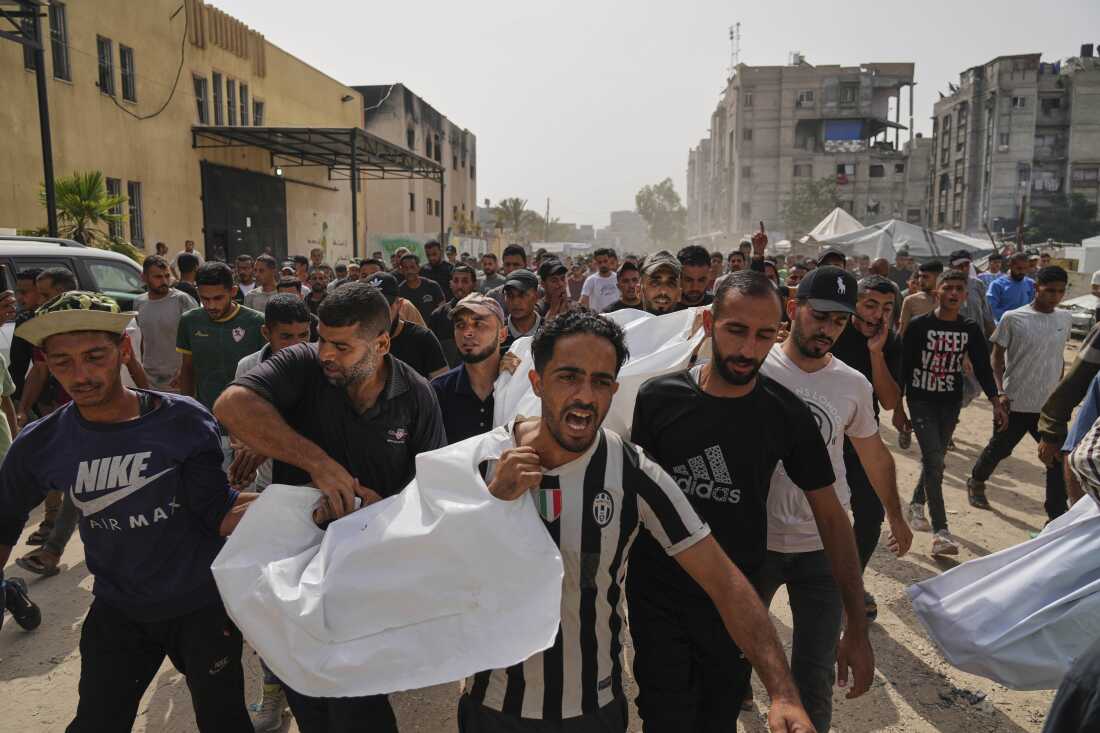
As the talks continue, the humanitarian situation in Gaza remains dire, with ongoing violence and hostages still held.
Both sides face domestic and international pressure to reach a sustainable peace deal, though officials caution that patience and time are necessary to overcome the existing hurdles.
The renewed negotiations mark a critical moment in Middle East diplomacy, coinciding with intensified U.S. involvement and hopes for a breakthrough after months of stalled dialogue.
