
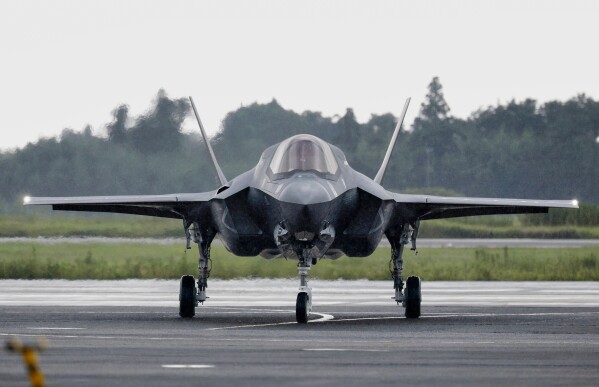
Japan Deploys First F-35B Stealth Fighters to Strengthen Southern Defense Amid Regional Tensions
Japan has officially deployed its first F-35B stealth fighter jets to enhance its southern defense capabilities amid increasing regional security concerns, particularly related to rising military activities by China.
On August 7, 2025 three F-35B jets arrived at Nyutabaru Air Base in Miyazaki Prefecture marking Japan’s first operational deployment of carrier-capable stealth fighters since World War II.
The jets, piloted initially by U.S. personnel during their flight from Guam to southern Japan, demonstrated vertical and short takeoff and landing capabilities which will be critical for operations from Japan’s helicopter carriers.
Japan plans to expand the fleet to 42 F-35Bs by the end of the year to further strengthen its air defense posture, particularly for its southwestern islands near Taiwan which have limited airfield infrastructure.
This deployment is part of Japan’s broader strategy to modernize its Self-Defense Forces and deter potential threats in the region especially as tensions persist over territorial disputes and military expansions in the western Pacific.
The Japanese Defense Ministry is also modifying its Izumo and Kaga destroyers to operate these F-35B fighters effectively transforming them into light aircraft carriers.
The announcement drew mixed reactions domestically, with some local protests near Nyutabaru Air Base opposing the vertical landing exercises initially planned there.
Internationally China expressed concerns suggesting the enhanced Japanese capabilities could destabilize regional peace though Japan insists the move is strictly defensive.
The arrival of these advanced stealth jets symbolizes Japan’s commitment to bolstering its aerial combat readiness while working closely with the United States to maintain security and stability in an increasingly tense geopolitical environment.
Japan anticipates receiving five more F-35B jets this year, with operational deployments aboard its vessels expected by 2027 and 2028. This move also positions Japan as one of the largest global operators of Lockheed Martin’s F-35 fighters.
This deployment comes amid a growing emphasis by Tokyo on rapid-response capabilities and flexible operations to protect its remote islands and maintain control over critical airspace in the region.
