
Keyamo: ₦712 Billion Lagos Airport Upgrade Funded from Subsidy Savings and Naira Reforms
Nigeria’s Minister of Aviation and Aerospace Development, Festus Keyamo, has revealed that the ₦712 billion earmarked for the complete overhaul of Terminal One of the Murtala Muhammed International Airport in Lagos will be sourced from savings made through President Bola Tinubu’s economic reforms specifically the removal of petrol subsidies and the unification of the exchange rate.
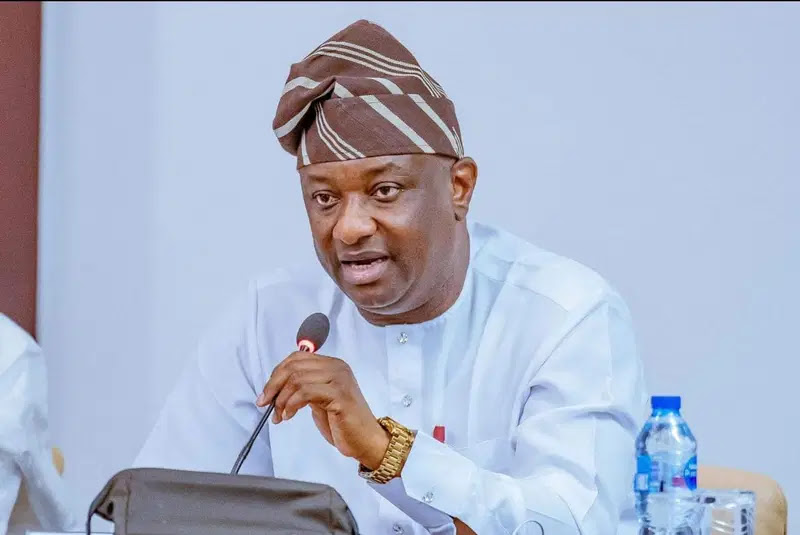
Speaking on Channels Television, Keyamo defended the administration’s decision amid growing criticism over the project’s cost and timing. He explained that the terminal’s current state was both unsafe and unsightly, with leaking roofs, broken baggage carousels, and makeshift stalls cluttering the space.
“The ceilings are collapsing. Carousels are not functioning because parts are obsolete. People are setting up kiosks to sell Indomie inside the terminal. It’s unacceptable,” he stated.
The minister acknowledged the public backlash, especially considering the country’s ongoing economic crisis, but clarified that the project is not being financed through the regular national budget. Instead, it will be funded via the Renewed Hope Infrastructure Fund, a special pool created from the subsidy and forex policy savings.
“This government made a commitment to Nigerians to channel savings from the removal of subsidies and currency reforms into tangible infrastructure upgrades,” Keyamo said, adding that the reconstruction will span 22 months.
Critics, however, argue that spending such a vast sum on a single terminal is tone-deaf, given the record-high inflation, widespread hunger, and economic hardship being faced by millions of Nigerians.
But Keyamo warned that failing to modernize the airport could result in major international airlines pulling out of the country, citing safety and insurance concerns.
“When terminals and runways fall below global standards, aviation insurers raise premiums, and airlines reconsider their routes. That puts Nigeria at a disadvantage,” he explained.
Keyamo further noted that Lagos has failed to develop into a true aviation hub due to structural limitations.
“You can’t land domestically and seamlessly connect to an international flight in Lagos. That stunted our aviation growth. What we’re doing now is not refurbishment it’s total demolition and redesign. Only the structural pillars will remain,” he said.
The new terminal, according to the minister, will reposition Lagos as a competitive aviation hub in Africa, rivalling international airports in Ethiopia and South Africa.
