
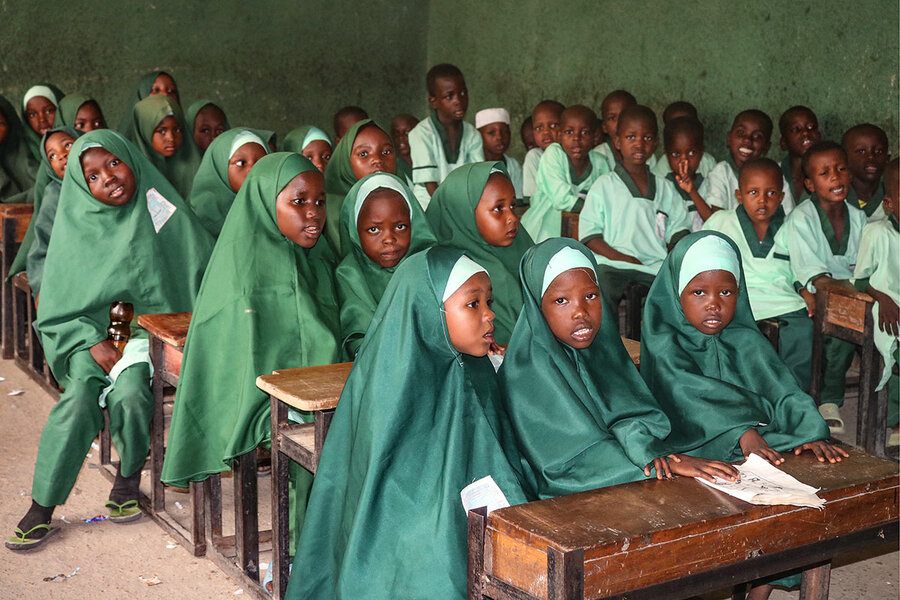
Neglect of Girl-Child Education Linked to Rising Insecurity in Northern Nigeria
Issues surrounding education, particularly the neglect of girl-child education, have been increasingly identified as contributing factors to the rising insecurity in northern Nigeria.
Educational experts and security analysts have pointed out that the low levels of school enrollment and retention among girls in the region exacerbate vulnerabilities that fuel insecurity.
The lack of education limits opportunities for girls and young women, undermining social development and economic empowerment which are crucial for stable communities.
Reports indicate that many northern Nigerian communities continue to face challenges related to cultural practices, poverty and inadequate educational infrastructure, all of which disproportionately affect girls’ access to schooling.
This educational gap has been linked to broader social problems including youth radicalization, unemployment and criminal activities that feed into the cycle of insecurity.
Stakeholders emphasize that addressing the neglect of girl-child education must be a priority in security strategies.
Empowering girls through education is seen as essential to promoting peace, preventing extremism and fostering sustainable development in northern Nigeria.
Government agencies, civil society organizations, and international partners are being called upon to invest more vigorously in inclusive education policies and programs that ensure girls receive quality education and support to remain in school.
The growing consensus is that enhancing educational opportunities for girls will contribute significantly to curbing insecurity and building resilient communities in northern Nigeria.
Issues of Education and Neglect of Girl-Child Education Linked to Rising Insecurity in Northern Nigeria
Educational challenges, particularly the neglect of girl-child education, have been increasingly linked to the rising insecurity in northern Nigeria, experts say.
Analysts and education advocates point out that inadequate access to education for girls in the region fuels social and economic vulnerabilities which in turn contribute to the insecurity facing communities. The low enrollment and high dropout rates among girls limit their opportunities for empowerment, increasing the risk of involvement in negative coping mechanisms.
Factors such as poverty, cultural barriers and insufficient educational infrastructure continue to impede the progress of girl-child education in northern Nigeria.
This educational deficit has been associated with broader security concerns including youth radicalization, unemployment and criminal activities that exacerbate instability in the region.
Stakeholders have called for urgent intervention to prioritize girl-child education as a key component of security and development strategies.
Empowering girls through education is seen as vital in breaking the cycle of violence, promoting peace and enhancing economic growth.
The government, civil society groups, and international partners are urged to collaborate on policies and initiatives that ensure inclusive access to quality education for girls, helping to build more secure and resilient communities in northern Nigeria.
