
Nigeria Reports Second-Highest Cholera Cases in West and Central Africa Amid Rising Outbreaks UNICEF Says
Nigeria has recorded the second-highest number of cholera cases in West and Central Africa as part of a regional outbreak exacerbated by heavy rains, flooding, and displacement according to recent UNICEF reports.
As of June 2025 Nigeria has reported over 3,100 suspected cholera cases and 86 deaths making it one of the most affected countries after the Democratic Republic of Congo which has the highest case count in the region.
Cholera, an acute diarrheal disease caused by contaminated food or water, poses a significant health risk particularly to children under five who are especially vulnerable to severe dehydration.
UNICEF estimates that around 80,000 children across West and Central Africa are at high risk of contracting cholera during the rainy season.
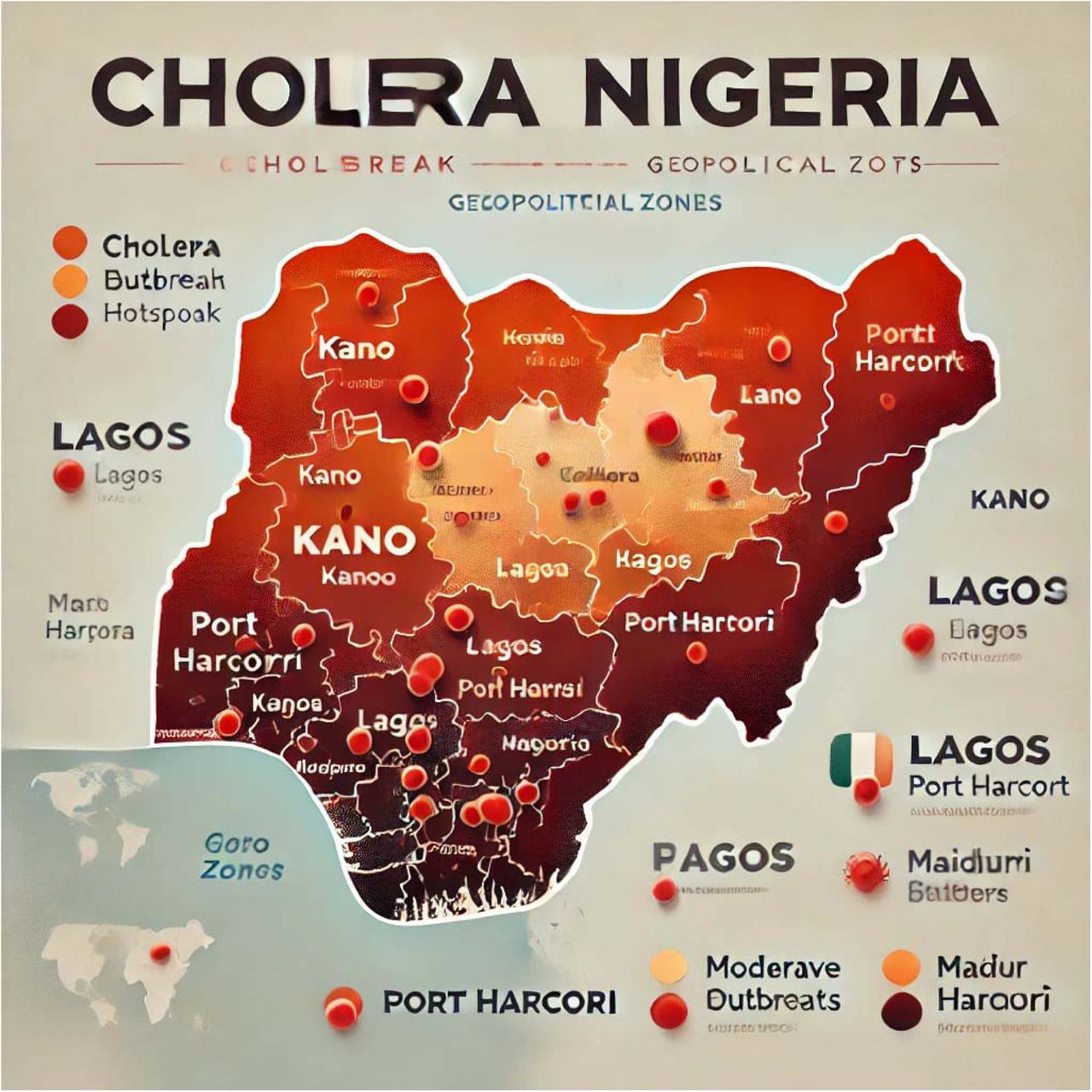
In Nigeria, the disease has spread across 34 states, with hotspot areas such as Zamfara State urgently responding to outbreaks. UNICEF and its partners have activated emergency operations centers and are delivering lifesaving health, water, sanitation and hygiene (WASH) supplies to affected communities to contain the spread.
The UNICEF regional director for West and Central Africa highlighted the critical challenges posed by the heavy rains and displacement, which increase the risk of transmission, especially in underserved and remote areas.
Efforts include cholera vaccinations, scaling up preparedness, risk communication and community engagement to ensure timely treatment and prevention.
UNICEF warns that urgent and scaled-up interventions are necessary to prevent further spread and reduce fatalities caused by cholera in Nigeria and its neighboring countries.
The ongoing outbreaks represent a serious public health challenge, underscoring the importance of clean water access, sanitation infrastructure and rapid medical response to protect vulnerable populations, particularly children.
