
Nigerian Senate Initiates Investigation Into ₦1.3 Trillion Crypto Bridge Collapse, Declares Financial Emergency
The Nigerian Senate has initiated a comprehensive investigation into the collapse of Crypto Bridge Exchange (CBEX), a digital investment platform that allegedly defrauded Nigerians of over ₦1.3 trillion one of the largest financial scams in the country’s history.
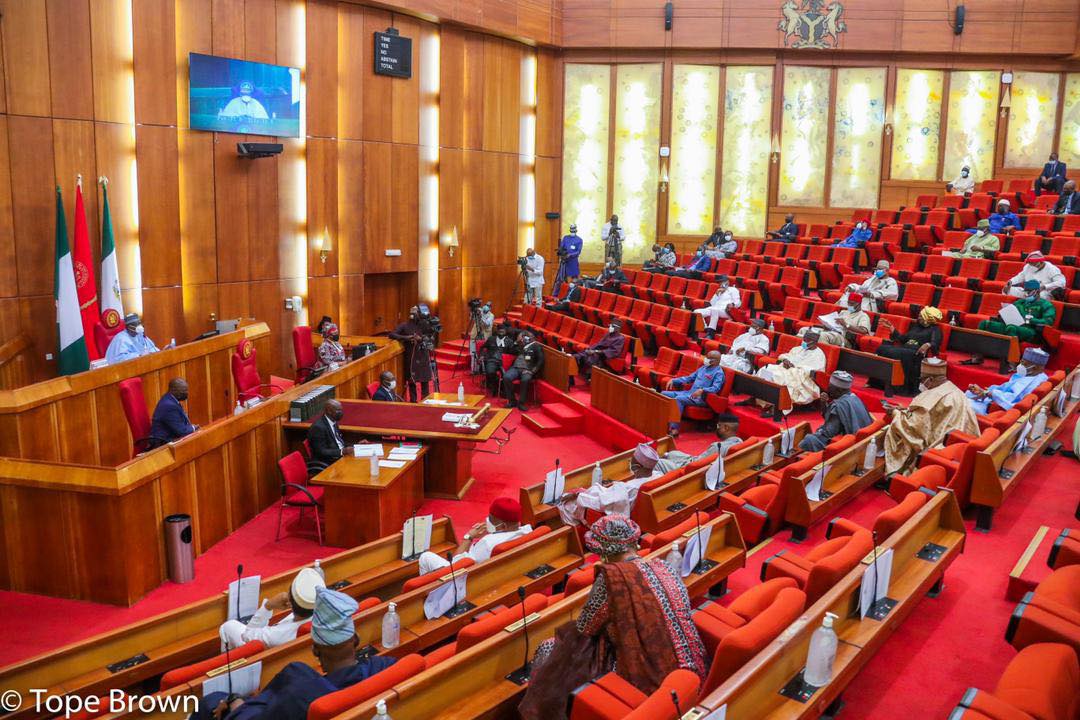
The motion to probe the crisis, jointly sponsored by Senators Tokunbo Abiru (Lagos East) and Osita Izunaso (Imo West), received unanimous backing across party lines during Wednesday’s plenary session. Lawmakers decried the persistent failure of regulatory bodies to prevent the proliferation of fraudulent investment platforms that continue to exploit Nigerians.
Senator Abiru, while presenting the motion, accused CBEX of exploiting lapses in oversight by institutions such as the Central Bank of Nigeria (CBN), the Securities and Exchange Commission (SEC), the Nigerian Financial Intelligence Unit (NFIU), and the Economic and Financial Crimes Commission (EFCC).
“Over ₦1.3 trillion was lost to CBEX alone,” he said. “This is not an isolated incident. It continues a disturbing trend dating back to scams like MMM in 2016 and MBA Forex in 2020. Nigerians are repeatedly being defrauded.”
He also cited rising rates of depression and suicide among victims, warning that the continued erosion of public trust in financial institutions threatens Nigeria’s economic stability.
Senator Tahir Monguno (Borno North) described the situation as “alarming,” urging a swift overhaul of legal frameworks to ensure accountability.
“We must act decisively. Offenders must face justice. Enough is enough,” Monguno said.
Other senators echoed these concerns. Senator Sadiq Umar (Kwara North) emphasized institutional failure, saying, “Regulators must wake up. Nigerians rely on them to protect their interests not remain passive.”
Senator Solomon Adeola (Ogun West) broadened the scope of concern, warning of a surge in unlicensed fintech firms operating under the guise of innovation without proper regulation. He called on the CBN to disclose how such platforms are vetted and monitored.
Senator Abdul Ningi (Bauchi Central) urged the National Assembly to invoke its constitutional powers under Sections 88 and 14 of the 1999 Constitution to compel regulatory agencies to provide full transparency and accountability.
Senate President Godswill Akpabio shared a personal anecdote, revealing that he too had fallen victim to a Ponzi scheme in Port Harcourt in the 1990s.
“History is repeating itself only now with more devastating consequences,” Akpabio lamented. “₦1.3 trillion vanished. Lives ruined. Families destroyed. We must act swiftly and decisively.”
He endorsed calls for public investigative hearings and a national financial literacy campaign aimed at preventing further victimization and restoring trust in Nigeria’s financial system.
To this end, the Senate approved the formation of a joint investigative committee comprising its Committees on Capital Market; Banking, Insurance, and Other Financial Institutions; Anti-Corruption and Financial Crimes; and ICT and Cybersecurity.
The committee has been mandated to conduct public hearings and submit its findings within four weeks. The scope of the investigation will extend beyond CBEX, covering Nigeria’s broader digital financial landscape to identify systemic failures and recommend regulatory reforms.
