
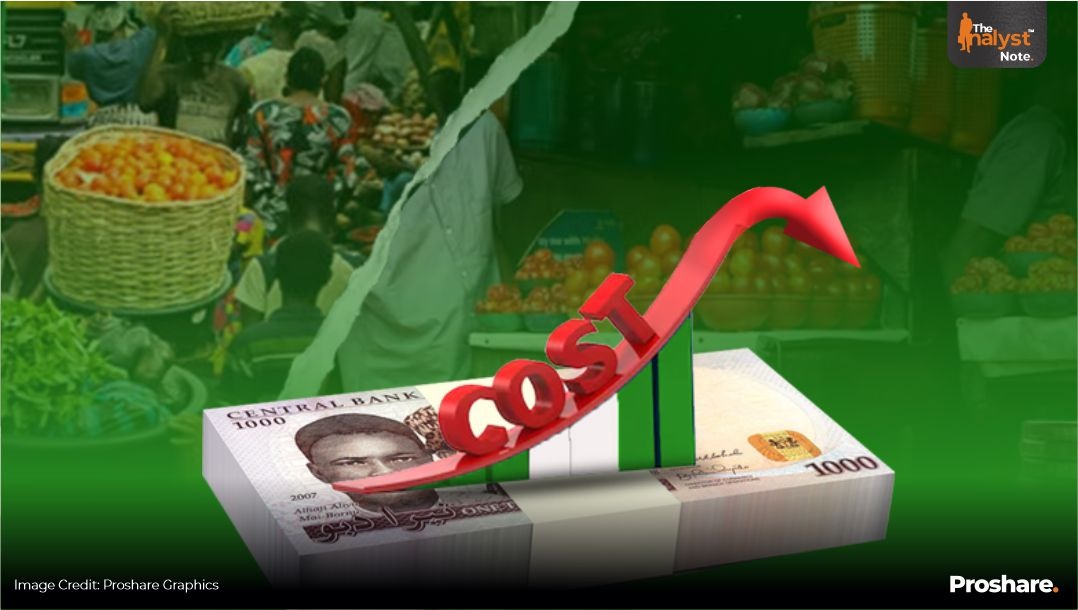
Nigeria’s Inflation Hits 34.19%, Driving Food Prices Up and Deepening Economic Hardship
Nigeria’s annual inflation rate reached a staggering 34.19% in June 2024 marking the highest level observed in nearly three decades and triggering widespread economic hardship for millions of Nigerians. The sharp increase in the cost of food, healthcare and other essentials is fueling growing public frustration across the country.
Food prices have surged significantly, exacerbating the struggle of many households to afford basic sustenance. Staples such as dried green peas, tomatoes, fresh meat and spices have all experienced rapid price hikes.
This inflationary spike is straining family budgets, leading to urgent calls from citizens for government intervention to ease the burden.
The cost of feeding my family has doubled in just a few months. It’s become almost impossible to make ends meet said a Lagos resident.
Numerous others across urban and rural areas have echoed similar complaints about the unaffordability of essentials and healthcare services.
The National Bureau of Statistics (NBS) highlighted that the 34.19% inflation figure for mid-2024 was significantly higher compared to recent months, though the annual headline inflation rate later eased to 22.22% by June 2025 after revised base year calculations.
Despite this recent moderation food inflation remains critical registering a year-on-year rate near 22% in mid-2025, reflecting continued pressure on living costs.
Experts note that while inflation appears to be softening on an annual basis in 2025, prices are still rising month-to-month particularly for food items. The ongoing inflationary environment underscores the urgent need for effective economic policies to stabilize prices and protect vulnerable populations from further hardship.
The government faces mounting pressure to implement measures that can curb inflation and improve affordability before the situation escalates further. Meanwhile, millions of Nigerians continue to grapple with the severe impact of soaring prices on their daily lives.
Authorities have been urged to prioritize transparent communication and inclusive policies that ensure food security, healthcare access and overall economic stability for all citizens.
This inflation crisis highlights deep challenges within Nigeria’s economy and the urgent need for sustained and coordinated responses to mitigate the impact on ordinary people.
