
One in Four DNA Tests in Nigeria Shows Men Are Not the Biological Fathers
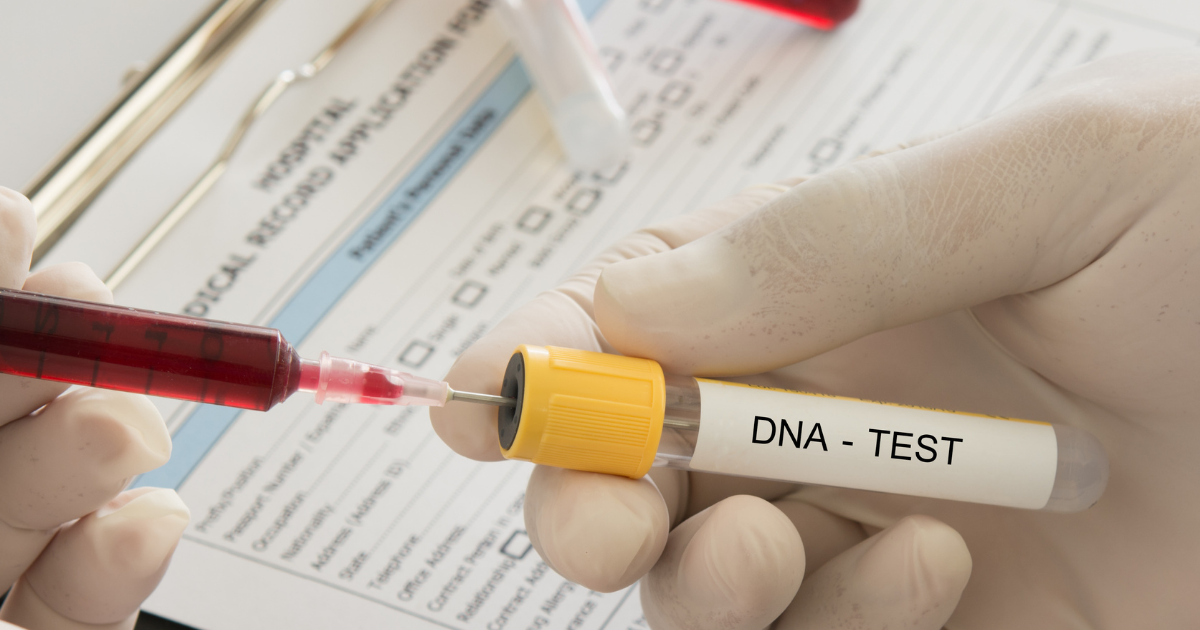
A new study has revealed that one in every four DNA paternity tests in Nigeria confirms that presumed fathers are not biologically related to their children.
The findings, contained in Smart DNA Nigeria’s 2025 Annual DNA Testing Report, cover tests conducted between July 2024 and June 2025.
According to the report, 25% of paternity tests returned negative results, meaning the tested men were excluded as the children’s biological fathers. Although slightly lower than the 27% recorded in 2024, the firm described the consistency of these figures as deeply concerning.
The report showed that firstborn children, especially sons, are most affected, with 64% of firstborn boys tested returning negative results, a significantly higher rate than later-born siblings. Immigration-related testing was also on the rise, as 13.1% of tests were linked to immigration documentation, reflecting the ongoing “Japa” migration wave.
Findings further revealed that 88.2% of DNA tests were initiated by men, with those aged 41 and above accounting for nearly half (45.5%).
Children aged 0–5 dominated testing, representing 58.6% of all cases, which reflects parents’ growing preference for early verification.
Lagos State accounted for 69% of all DNA tests, with demand shifting from the Mainland to the Island. Top testing hubs included Lekki (20.3%), Yaba (15.8%), Ajah (10.5%), Ikorodu (10.5%), Surulere (9%), and Ikeja (9%).
In terms of ethnicity, Yoruba families represented 53% of clients, followed by Igbo at 31.3%, while Hausa participation remained low at 1.2%. Boys made up 53.8% of tested children, highlighting Nigeria’s cultural emphasis on male lineage.
The majority of tests, 83.7%, were carried out for “peace of mind,” while only 1.4% were court-ordered. According to Elizabeth Digia, Operations Manager at Smart DNA, beyond the science, these findings expose deep issues of trust, family dynamics, and economic pressures in Nigerian households.
She explained that more families are grappling with hidden doubts, with many men coming forward after years of uncertainty, and that some cases have revealed emotional trauma and even financial exploitation.
The report stressed the need for urgent legal reforms, pointing out that Nigeria has no existing laws on paternity fraud, unlike South Africa. It recommended the integration of DNA testing into public health and family planning policies, inclusion in premarital counselling frameworks, and clear legal protections for both men and children affected by fraudulent paternity claims.
Smart DNA clarified that its report is based on real, anonymised client cases and should not be generalized to the entire Nigerian population.
The figures, it said, reflect families where doubts already existed and cannot be extrapolated to represent all Nigerian households. Still, the consistency of the results with roughly one in four fathers excluded each year highlights what analysts are calling a growing social and legal crisis.
