
Saltwater Intrusion Devastates Women-led Farming in Ondo’s Ilaje Community
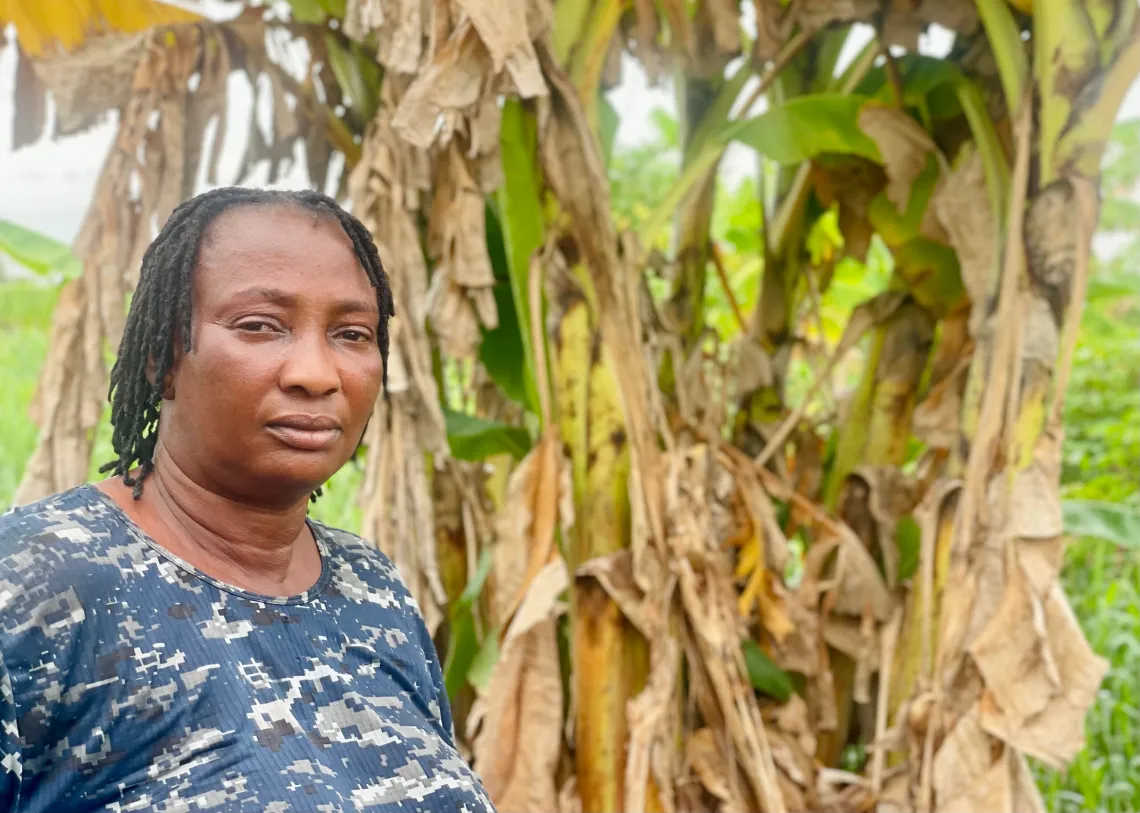
Stella Ojulowo, a 48-year-old woman from the coastal settlement of Oroto in Ilaje Local Government Area, Ondo State, remembers a time when her farmland flourished.
She once planted maize, plantain, okra, cassava, and bananas that provided food for her family and income from sales. But today, the rising tide and encroaching saltwater have turned her fertile land barren, destroying crops and livelihoods.
Since around 2015, saltwater from the Atlantic Ocean has intruded far inland, contaminating freshwater sources and soil, leaving farmlands infertile. The once productive fields are now covered with dead and rotting plants. “Before now, I planted crops that we would harvest, eat, and still sell the rest for money,” Ms. Ojulowo said, voice trembling. “But now, nothing.”
Like Ms. Ojulowo, many women in Ilaje long the backbone of the region’s small-scale farming are grappling with the devastating effects of climate change, coastal erosion, and saltwater intrusion. This environmental crisis is pushing women farmers out of agriculture and into fish trading, a shift born from necessity rather than choice.
Ilaje’s location along the Atlantic Ocean, with its naturally high salinity levels, has made it particularly vulnerable. Experts explain that as seawater moves inland, it contaminates freshwater aquifers and surface waters, killing crops and altering ecosystems. A study from 2019 confirms the ongoing threat of saltwater intrusion to agriculture and biodiversity in the area.
Beyond farm loss, the community is suffering widespread food insecurity. Locals say food prices have doubled, and essential staples are harder to come by. With farming faltering, women who traditionally provide food for their families are forced to depend more on expensive imports and fish processing to survive.
Residents also blame oil exploration and excessive groundwater extraction for worsening the problem, alongside climate change-driven sea level rise. Despite receiving substantial budget allocations aimed at development, the people say little government assistance has reached them, and their pleas for support remain largely unanswered.
Officials acknowledge the challenges and are promoting relocation of farmers to dry land and alternative farming techniques like soilless agriculture. However, many farmers remain unaware of such initiatives or feel the response is insufficient.
Researchers suggest a hopeful path forward lies in adopting salt-tolerant crops and climate-resilient farming methods. “The salt can be a blessing if channeled right,” said Folorunsho Adetayo, marine geophysics expert, noting certain rice species thrive in salty conditions.
For now, women like Ms. Ojulowo cling to hope, continuing to plant what little survives and adapting as best they can. But without urgent investment in sustainable infrastructure and inclusive policies, the livelihoods of Ilaje’s women farmers—and the food security of the region—remain under serious threat.
