
South Korea’s Global Cultural Influence Soars in 2025, Led by K-Pop and Regional Heritage Initiatives.
South Korea’s cultural influence is experiencing a remarkable surge on the global stage in 2025, propelled by the sustained popularity of K-pop, Korean cuisine, beauty products, and traditional cultural practices. A recent international survey highlights K-pop as the most widely recognized symbol of Korean culture worldwide, with iconic groups BTS and Blackpink leading the charge. Their global appeal not only cements K-pop’s status as a dominant force in entertainment but also significantly shapes consumer trends across diverse markets.
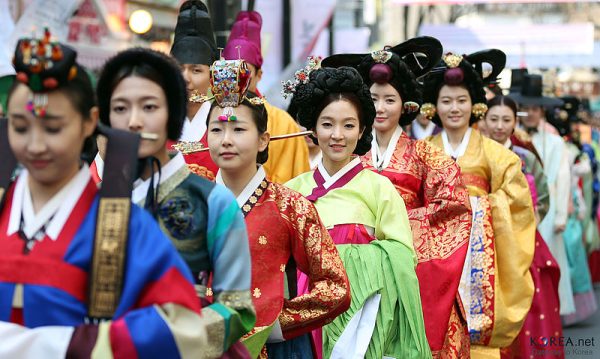
The South Korean Ministry of Culture is intensifying efforts to promote the nation’s rich regional cultures through innovative initiatives. Among these is the designation of 13 “Korea Culture Cities,” a program designed to spotlight unique local traditions and heritage, fostering cultural tourism and international interest. Complementing this is the Local 100 project, which seeks to connect people globally by showcasing Korea’s diverse cultural experiences, from traditional arts to contemporary creative expressions.
These initiatives reflect a strategic cultural diplomacy approach aimed at deepening global appreciation of Korea’s multifaceted identity beyond the well-known urban centers. By leveraging both modern and traditional cultural assets, South Korea aims to inspire and engage international audiences, reinforcing its position as a cultural powerhouse.
Korean cuisine, renowned for its bold flavors and health benefits, continues to gain traction worldwide, with Korean restaurants and food products becoming increasingly popular in major cities globally. Similarly, the Korean beauty industry, known for its innovative skincare and cosmetic products, maintains a strong influence on global beauty standards and consumer behavior.
Together with the digital media boom and active fan engagement, these cultural exports contribute to a dynamic “Cultural Wave Effect,” or Hallyu, that transcends borders and fosters cross-cultural exchange. This phenomenon not only boosts South Korea’s soft power but also stimulates economic growth through tourism, entertainment, and consumer goods.
As 2025 unfolds, South Korea’s cultural diplomacy efforts and global cultural exchange initiatives are set to deepen, with K-pop at the forefront and traditional culture receiving renewed international attention. This dual focus ensures that Korea’s cultural narrative remains vibrant and influential in shaping global cultural landscapes.
