
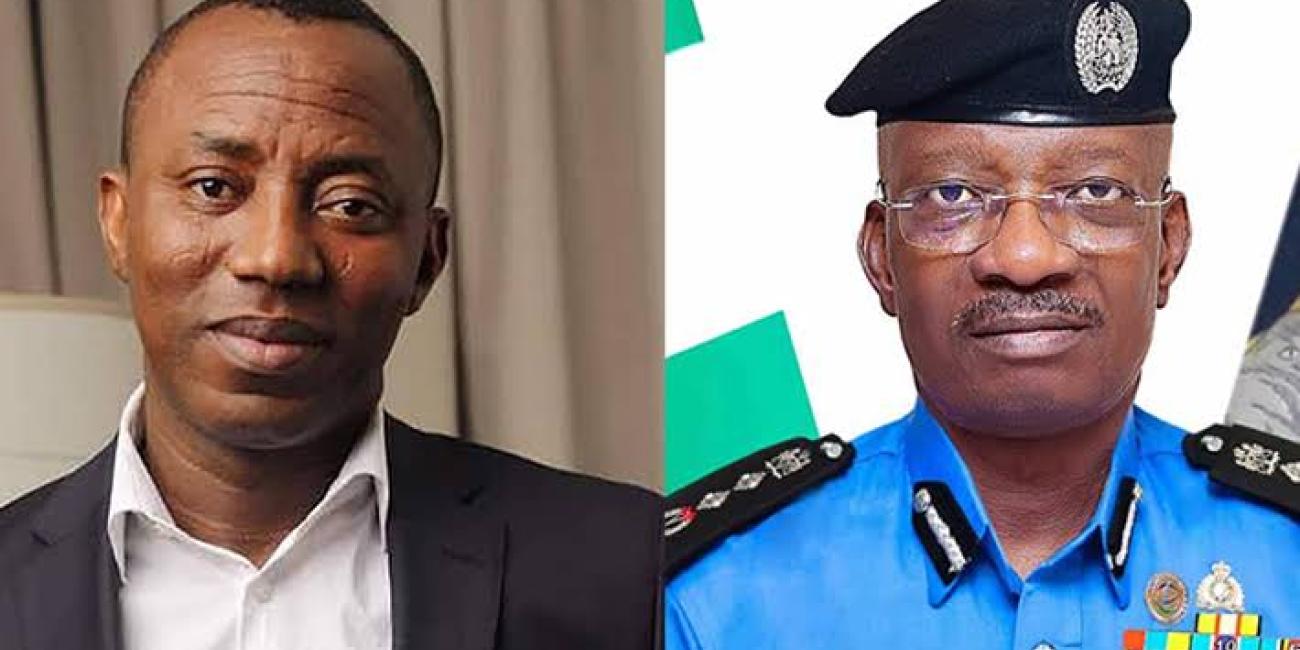
Sowore Accuses Nigerian Police of Frustrating Trial of #EndBadGovernance Protesters With Delay Tactics
Human rights activist and former presidential candidate, Omoyele Sowore, has accused the Nigeria Police Force of deliberately stalling the trial of 11 #EndBadGovernance protesters who were arrested during a peaceful demonstration in Abuja on August 1, 2024.
Speaking during an appearance, Sowore alleged that the police are using delay tactics to frustrate the judicial process. He said that at the protesters’ most recent court appearance on June 25, the police sought yet another adjournment, citing missing case files.
According to Sowore, the police claimed that the files were still with a former police prosecutor, Simon Lough (SAN), who has since been dismissed from the force. “They came asking for an adjournment on the grounds that the prosecutor who originated the case was kicked out of the police and left with some files,” Sowore said.
He further alleged that the same police force is planning to charge Lough for age falsification, raising questions about the credibility of the prosecution.
The trial, which involves charges of treason, stems from a protest organized to decry worsening insecurity, economic hardship, and systemic corruption issues that have plagued the country for years. The protest was seen as a continuation of the 2020 #EndSARS movement.
Following their arrest, they were detained for more than two months before being granted bail terms which rights groups described as unnecessarily harsh and repressive.
One of the defendants, Adaramoye Lenin, has since called for mass mobilisation to protest the continued prosecution, urging Nigerians to demand the withdrawal of what he calls “baseless charges.”
During the court session, defence counsel led by Barristers Deji Adeyanju and Marshal Abubakar objected strongly to the adjournment request, accusing the state of intentional delay and judicial sabotage.
In response, the presiding judge postponed the trial to October 9, 2025, and issued a stern warning: if the prosecution fails to proceed by then, the case may be struck out entirely.
The prolonged legal battle has drawn significant national and international attention, with civil rights organisations raising concerns about the Nigerian government’s ongoing clampdown on civic freedoms and political dissent.
