
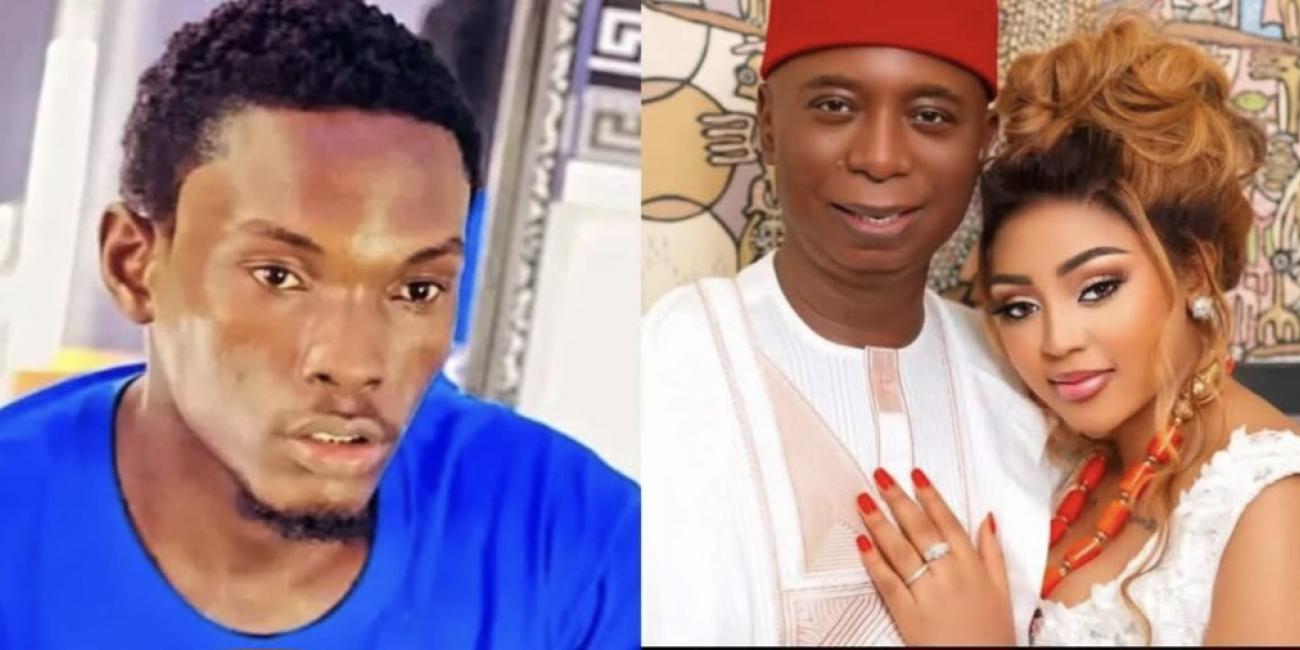
Sowore Condemns Detention of TikToker Without Trial, Accuses Police and Politicians of ‘Institutionalised Oppression’
Human rights activist and former presidential candidate, Omoyele Sowore, has denounced the continued detention of TikTok content creator Timothy Gabriel (popularly known as Tumma), who has been held without trial for nearly two weeks over a social media post allegedly insulting Regina Daniels, actress and wife of Senator Ned Nwoko.
Gabriel was arrested in June and remanded in Keffi Prison, Nasarawa State, after a complaint was lodged by Senator Nwoko, who represents Delta North in the Nigerian Senate. According to Sowore, the young man has yet to be brought before any court or formally charged a clear violation of his constitutional rights.
Speaking via his official social media handle on Tuesday, Sowore described the development as “institutionalised oppression,” citing an alleged collusion between political figures and security agencies to suppress dissent and punish critics unlawfully.
“The prison officials told him he won’t be informed if or when he would appear in court. This blatant disregard for the rule of law is a stain on Nigeria’s justice system,” Sowore stated.
He emphasized that under Nigerian law, all accused persons are presumed innocent until proven guilty, and that no citizen should suffer punishment without trial.
Sowore also called out the Inspector General of Police, Kayode Egbetokun, and FCT Commissioner of Police, Ajao Saka Adewale, accusing them of aiding political elites in silencing citizens.
Legal representatives including Barristers Inibehe Effiong, A.K. Musa, Rosemary Hamza, and Abubakar Marshal are working on Gabriel’s case and calling for his immediate release under the hashtag #FreeTummaNow.
Meanwhile, it was reported that a magistrate ordered Gabriel’s remand despite protests from his lawyer, who questioned the legal basis for the detention in the absence of formal charges.
The case has ignited a fresh wave of concern over abuse of power, selective justice, and growing threats to free expression in Nigeria.
