
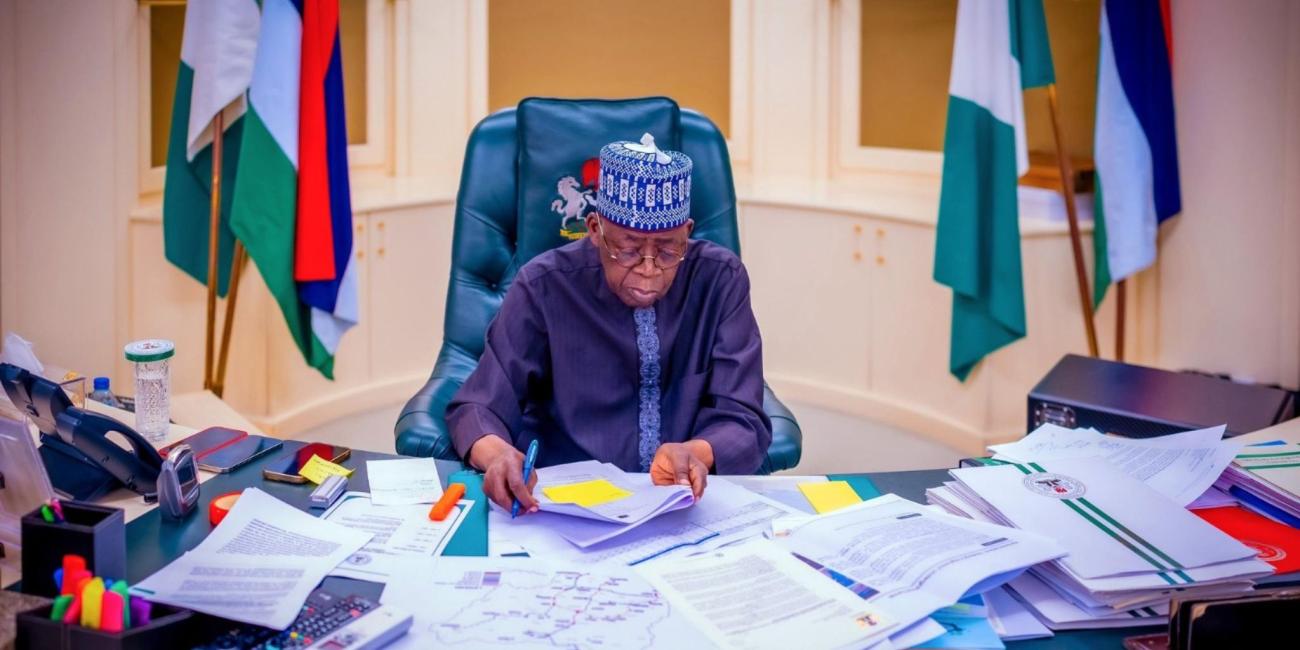
Tinubu Signs Controversial Tax Reform Bills Into Law Amid Northern Opposition
President Bola Ahmed Tinubu has officially signed four major tax reform bills into law, marking a pivotal shift in Nigeria’s fiscal policy despite widespread controversy particularly from stakeholders in northern Nigeria.
The signing ceremony, held at the Presidential Villa in Abuja on Thursday, was attended by key figures including the leadership of the National Assembly, state governors, federal lawmakers, ministers, and senior aides.
The newly enacted laws include:
- Nigeria Tax Bill
- Nigeria Tax Administration Bill
- Nigeria Revenue Service (Establishment) Bill
- Joint Revenue Board (Establishment) Bill
These bills had earlier sparked intense debate, especially in the North, where several governors and political figures voiced concerns that the reforms could marginalize the region economically and politically.
Despite these objections, the presidency maintains that the tax reforms are critical to modernizing Nigeria’s tax system, enhancing revenue generation, improving the ease of doing business, and creating an attractive climate for both domestic and foreign investors.
“These new tax laws represent a cornerstone in President Tinubu’s broader economic agenda,” a presidential spokesperson said. “They are designed to streamline tax administration, strengthen fiscal discipline, and attract sustainable investment into the country.”
The presidency also emphasized that the legislation followed extensive consultations with diverse interest groups, ensuring broad input and accountability in the reform process.
As Nigeria navigates economic recovery, the administration hopes these reforms will address long-standing challenges in the revenue system while balancing regional equity and national development.
