
Trump Signs Controversial $3.3 Trillion Budget and Tax Bill with Major Social Program Cuts
President Donald Trump on July 4 signed into law a comprehensive budget and tax bill that extends his 2017 tax cuts, eliminates taxes on silencers and certain firearms, imposes new taxes on remittances and controversially allocates $40 million for a MAGA statue garden and Trump-branded baby savings accounts.
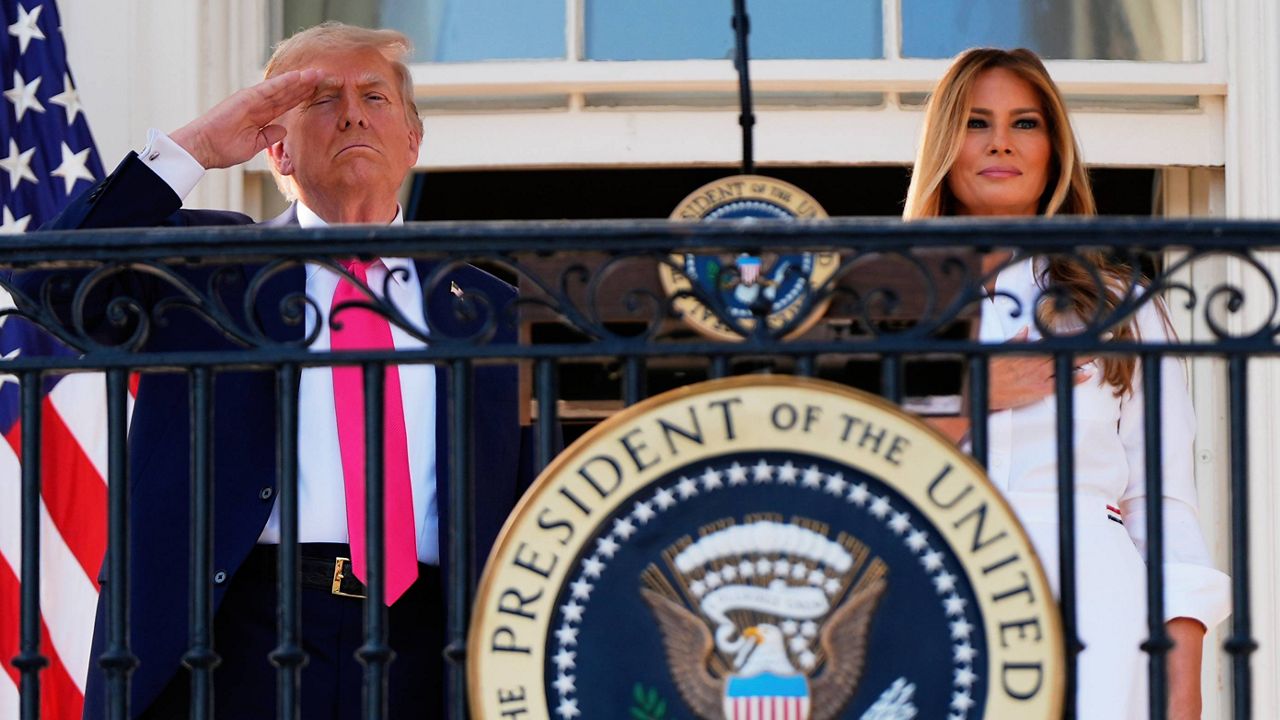
The signing took place during a high-profile Independence Day ceremony at the White House complete with military flyovers and hundreds of supporters in attendance.
The legislation, passed narrowly by Congress, also includes significant cuts to social programs. Medicaid funding is slashed by approximately $1 trillion a move projected to leave nearly 12 million Americans uninsured.
The bill defunds reimbursements to Planned Parenthood and reduces food assistance programs, drawing sharp criticism from Democrats and social advocates.
In a notable expansion of immigration enforcement, the bill increases the budget for U.S. Immigration and Customs Enforcement (ICE) to over $100 billion, funding a crackdown on undocumented immigrants. Republican leaders hailed the bill as a historic achievement, emphasizing its role in making tax cuts permanent and bolstering border security.
This is the biggest tax cut, the biggest spending cut, and the largest border security investment in American history President Trump declared at the signing ceremony, thanking congressional leaders for their support.
However, the bill’s estimated addition of $3.3 trillion to the federal deficit has raised concerns among fiscal conservatives and economists. Critics warn that while some tax benefits may provide short-term relief, the deep cuts to social safety nets could provoke significant public backlash ahead of the 2026 midterm elections.
The legislation passed the House of Representatives with a narrow 218-214 vote after an emotional debate and was approved by the Senate with Vice President JD Vance casting the tie-breaking vote. Despite unified Republican support, Democrats opposed the bill, citing its impact on vulnerable populations and the national debt.
As the nation grapples with the bill’s far-reaching effects, the political landscape is set for intense debate over the balance between economic growth, social welfare, and fiscal responsibility.
