
UN Warns of Imminent Famine in Gaza as Hunger Crisis Deepens Amid Limited Humanitarian Aid
The United Nations has issued a stark warning that a “worst-case scenario of famine” is currently unfolding in the Gaza Strip, with rapidly worsening hunger conditions and critical shortages of humanitarian aid according to the Integrated Food Security Phase Classification (IPC) a UN-backed initiative.
The alert highlights escalating conflict and displacement, drastically reducing access to food, clean water and medical care for Gaza’s more than two million residents.
Recent data reveal that approximately 81% of households in Gaza report poor food consumption, with nearly a quarter experiencing very severe hunger levels that surpass famine thresholds. Acute malnutrition rates have surged particularly among children with over 20,000 children treated for malnutrition between April and mid-July 2025.
The crisis has put the enclave’s health system under extreme strain with malnutrition-related deaths rising sharply as medical facilities face severe shortages and operational challenges.
UN agencies emphasize that immediate and unobstructed humanitarian access is essential to avert widespread starvation and further loss of life.
UN Secretary-General António Guterres called the situation “a reality unfolding before our eyes” and urged an immediate and permanent humanitarian ceasefire to facilitate the delivery of food, water, medicine, and fuel across Gaza.
Meanwhile, Israel has denied responsibility for the crisis, facing mounting international pressure to ease the blockade and allow consistent humanitarian aid into the territory. Israeli officials have announced limited daily humanitarian pauses in military operations intended to enable aid deliveries but remain criticized for the scale and inconsistency of these efforts.
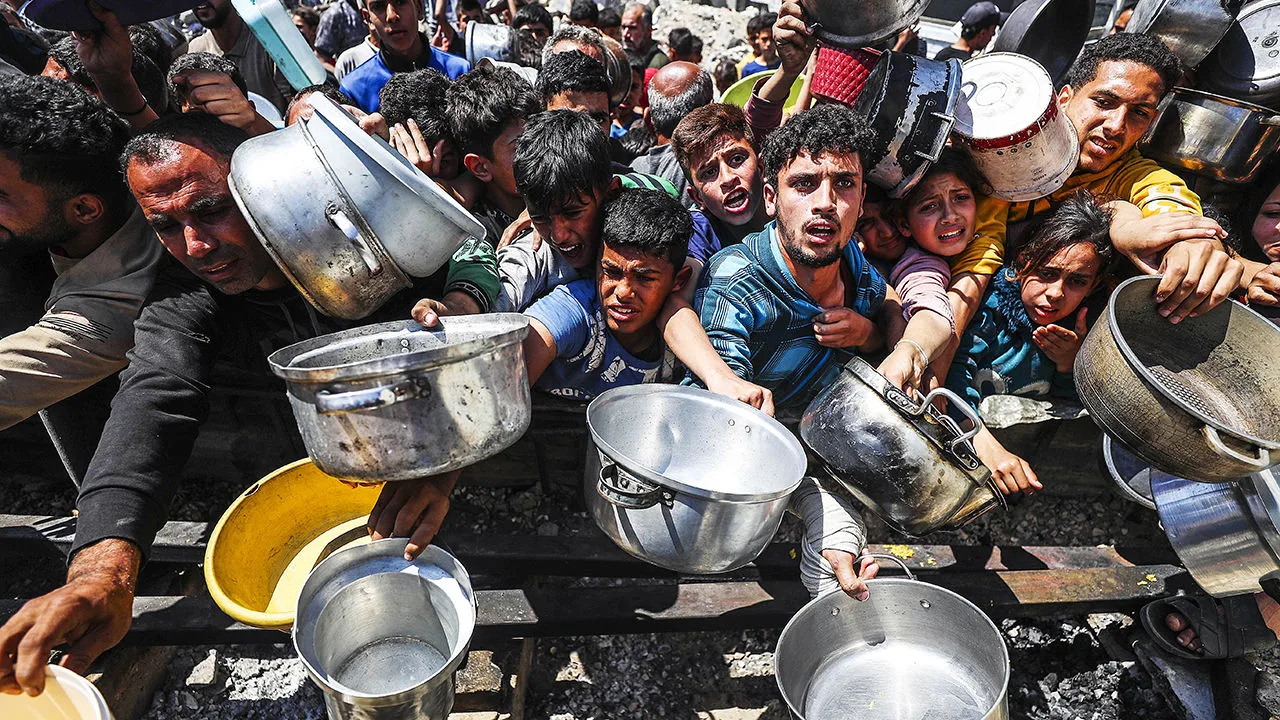
Humanitarian workers report desperate conditions on the ground, with families standing for hours in long lines under harsh conditions for minimal food provisions. Many residents, including pregnant women and young children, suffer from severe food insecurity, with widespread dependence on community kitchens and aid distributions that are insufficient to meet the overwhelming need.
UN agencies and aid organizations warn that without a sustained ceasefire and largescale humanitarian response, the situation in Gaza will continue to deteriorate, potentially resulting in catastrophic famine and a deepening public health emergency.
The crisis underscores urgent calls from the international community for all parties to prioritize humanitarian access and protection of civilians as hostilities persist in the region.
