
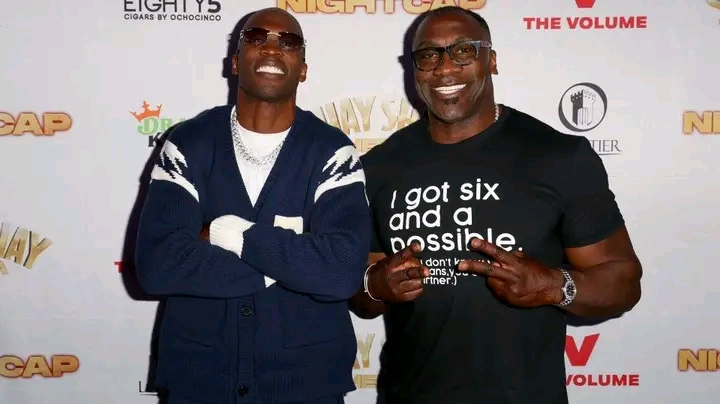
Usher Fan Sues Shannon Sharpe and Ochocinco for $20M Over Defamatory Comments
Sports commentator Shannon Sharpe and his co-host Chad “Ochocinco” Johnson are facing a $20 million defamation lawsuit filed by Jimalita Tillman, a female fan of R&B star Usher. The lawsuit stems from comments made on their podcast following a viral video of Tillman interacting with Usher during his April 2, 2025 concert.
The clip, which showed Usher serenading Tillman in a flirtatious performance, quickly spread across social media platforms. In reaction, Sharpe and Ochocinco reportedly joked that the woman was married and that her husband was filing for divorce due to her behavior at the concert.
However, Tillman, who serves as the global director of the Harold Washington Cultural Center in Chicago and is a single mother, has stated that she is not married and never has been. According to her legal filing, the false claims made by Sharpe and Ochocinco were reckless and defamatory, damaging her personal and professional reputation while causing severe emotional distress.
Tillman claims that the podcast’s wide reach and credibility amplified the harm. She argues that being portrayed as a married woman facing divorce for inappropriate public conduct implies moral impropriety and irresponsibility allegations that could jeopardize both her public image and career in the cultural and nonprofit sectors.
The lawsuit also points to the fact that neither Sharpe nor Ochocinco made efforts to verify the claim before publishing it to their large audience. Tillman’s legal team is seeking $20 million in damages for defamation, emotional distress, and reputational harm.
This legal trouble adds to a string of recent controversies for Sharpe. Earlier this year, he reportedly settled a $50 million defamation suit involving another high-profile dispute, which was followed by his departure from ESPN.
Neither Sharpe nor Johnson has issued a public statement regarding Tillman’s lawsuit at the time of this report. The podcast episode in question remains available on streaming platforms, though some legal analysts suggest it may soon be removed pending further legal review.
As the case unfolds, it raises broader questions about media accountability and the responsibility of public figures when discussing viral events involving private individuals.
